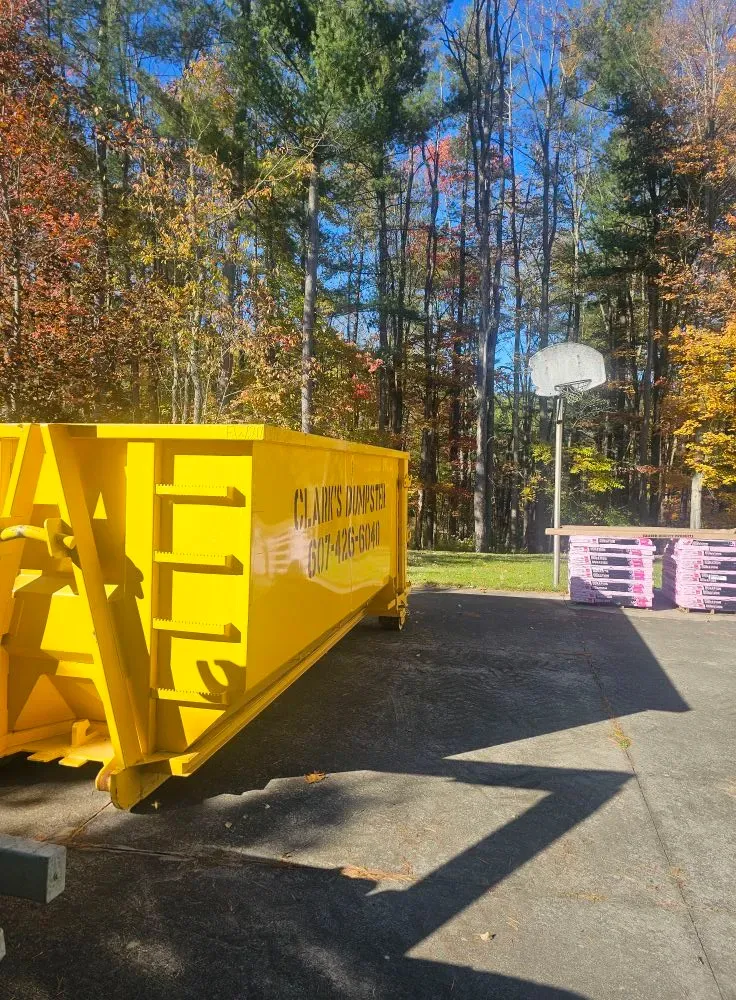
Deck Demo and Dumpster Loading in Ithaca, NY
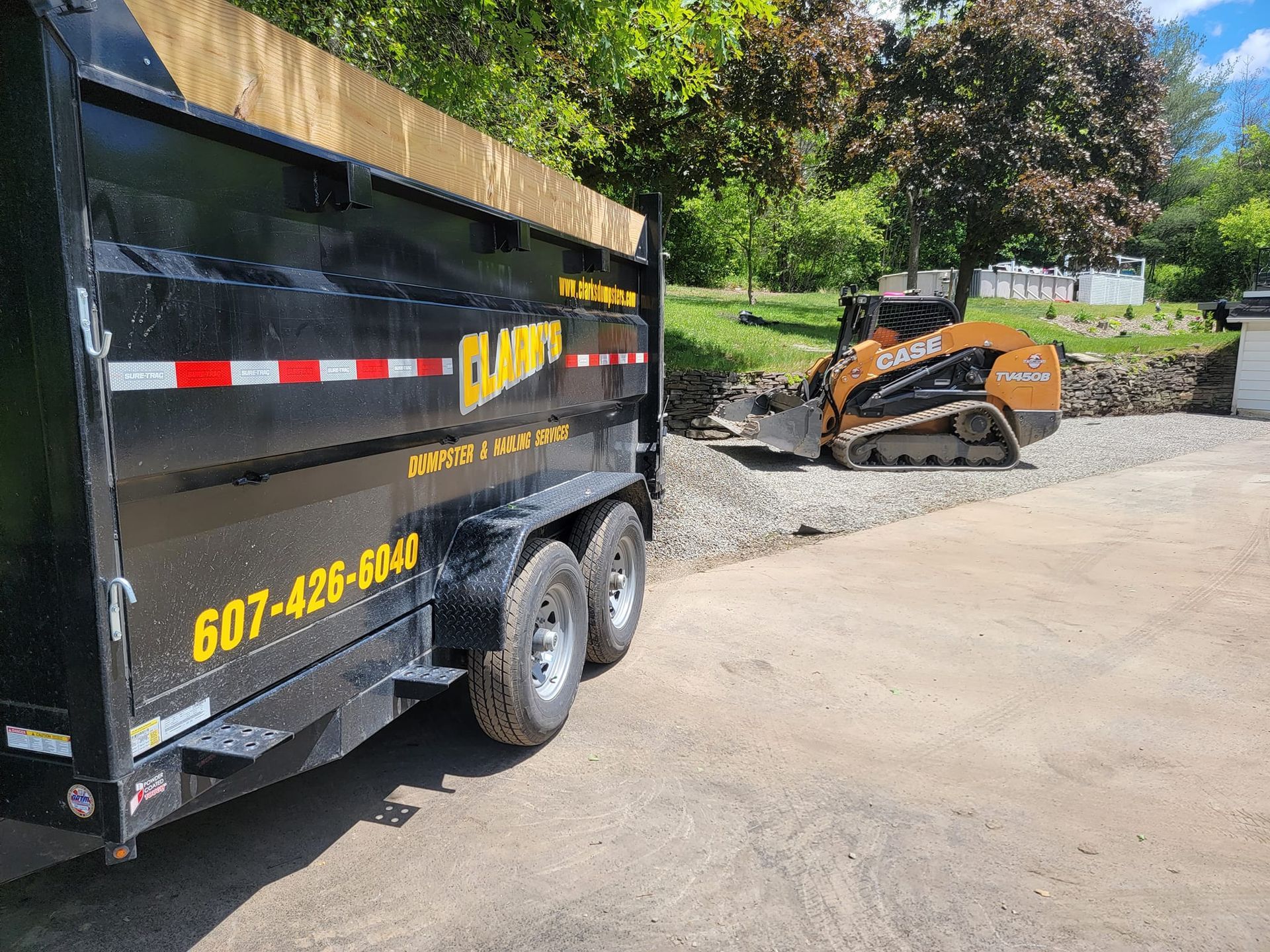
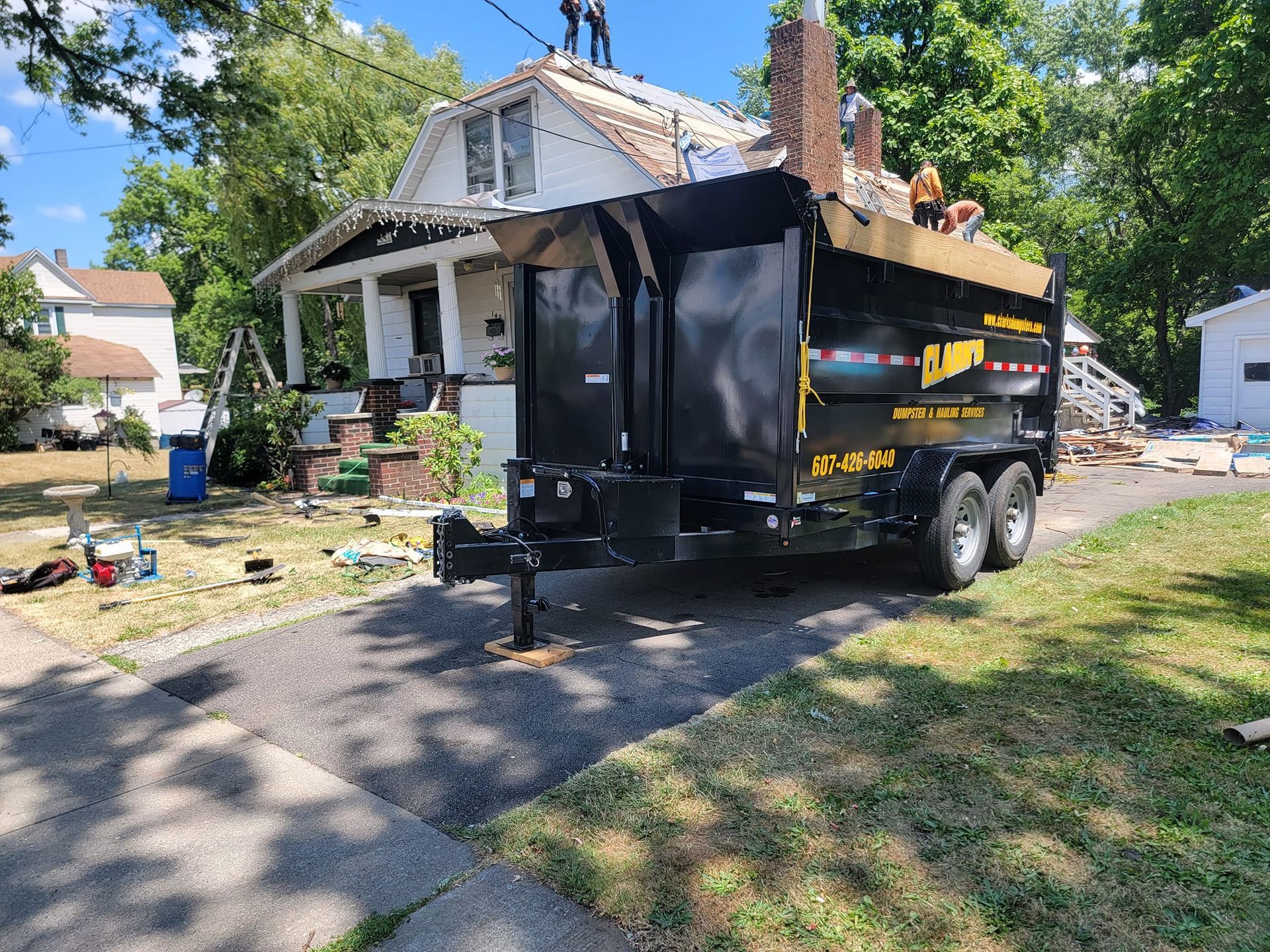
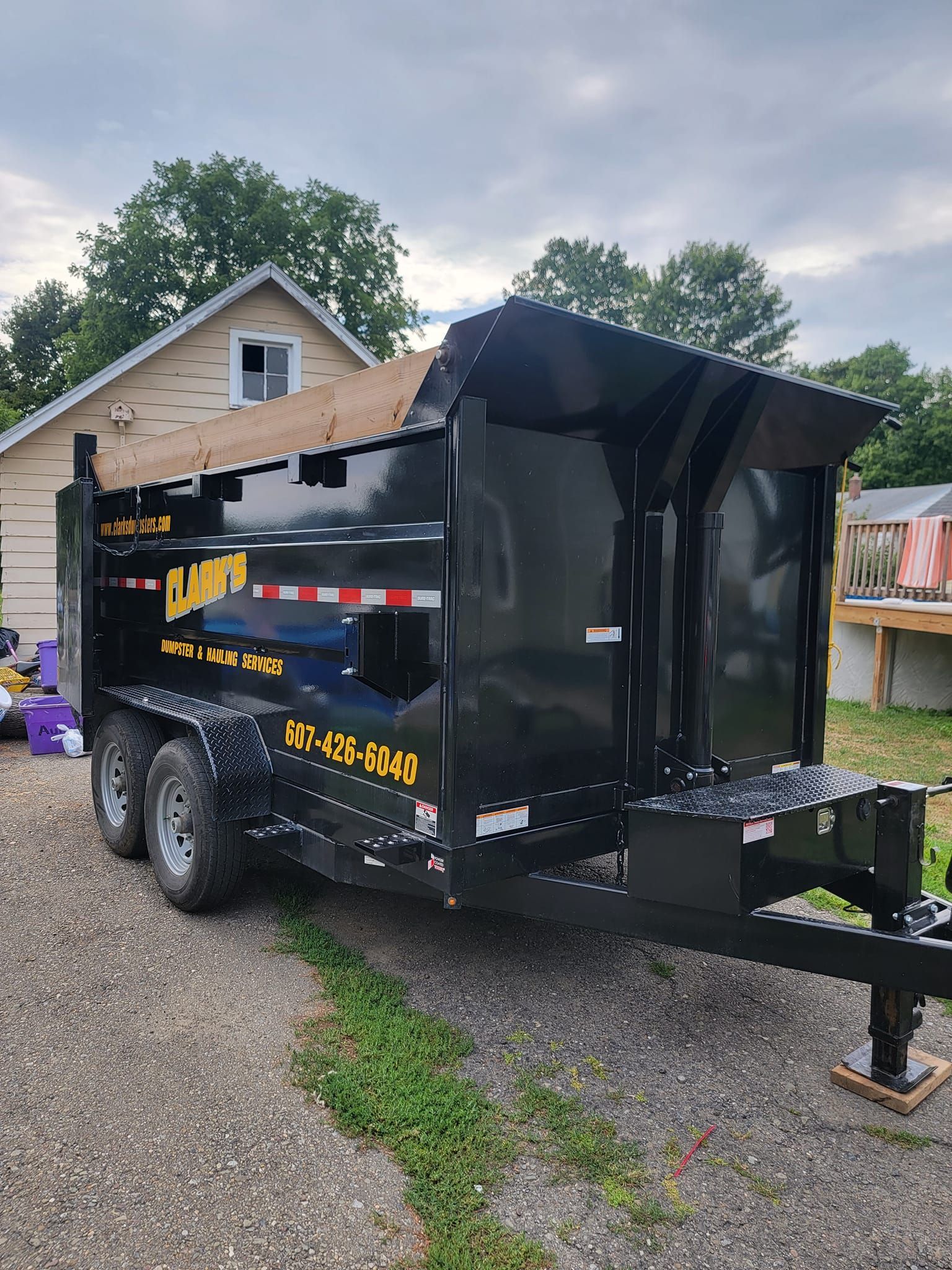
A good plan makes deck demolition faster, cleaner, and safer. When wood, nails, and broken boards begin to pile up, a roll-off dumpster gives you one place to collect everything. This keeps the work area clear and your yard protected from debris.
Planning your deck demo and dumpster use together helps you avoid damage, delays, and extra costs. Think ahead about the materials you’ll remove, how much space you’ll need, and how long cleanup will take. The right container keeps your project organized from start to finish.
Why a Dumpster Makes Deck Demolition Easier
Pulling up old boards and railings seems simple at first, but waste adds up quickly. Deck pieces are bulky, uneven, and sometimes treated with chemicals. Without a dumpster, debris can spread across your yard or driveway, making cleanup longer and less safe.
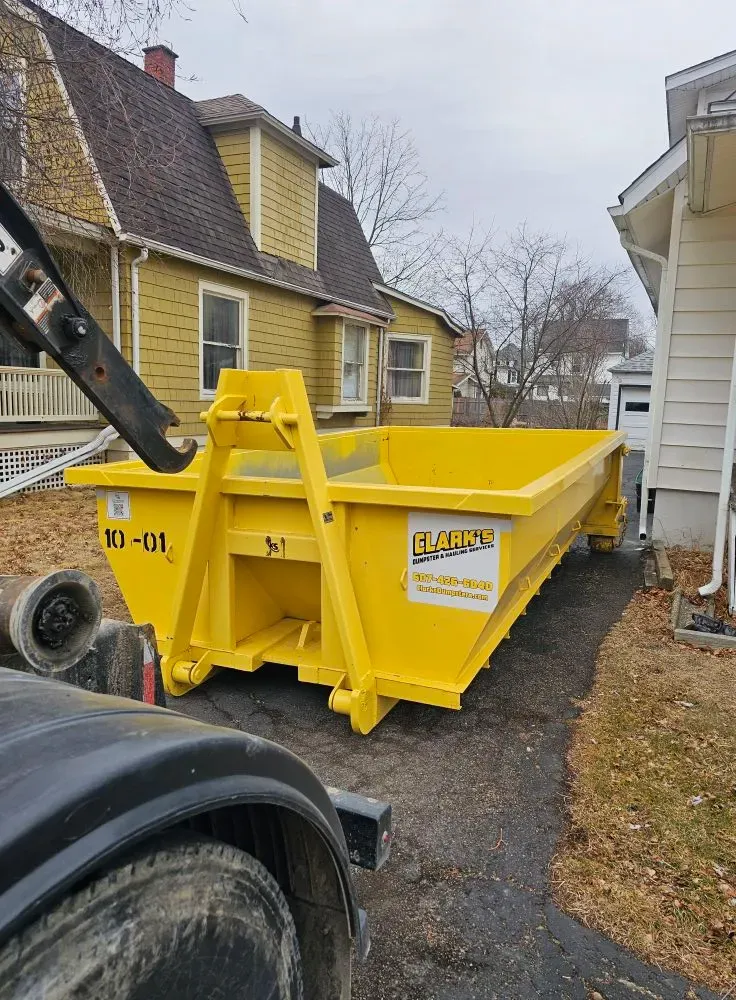
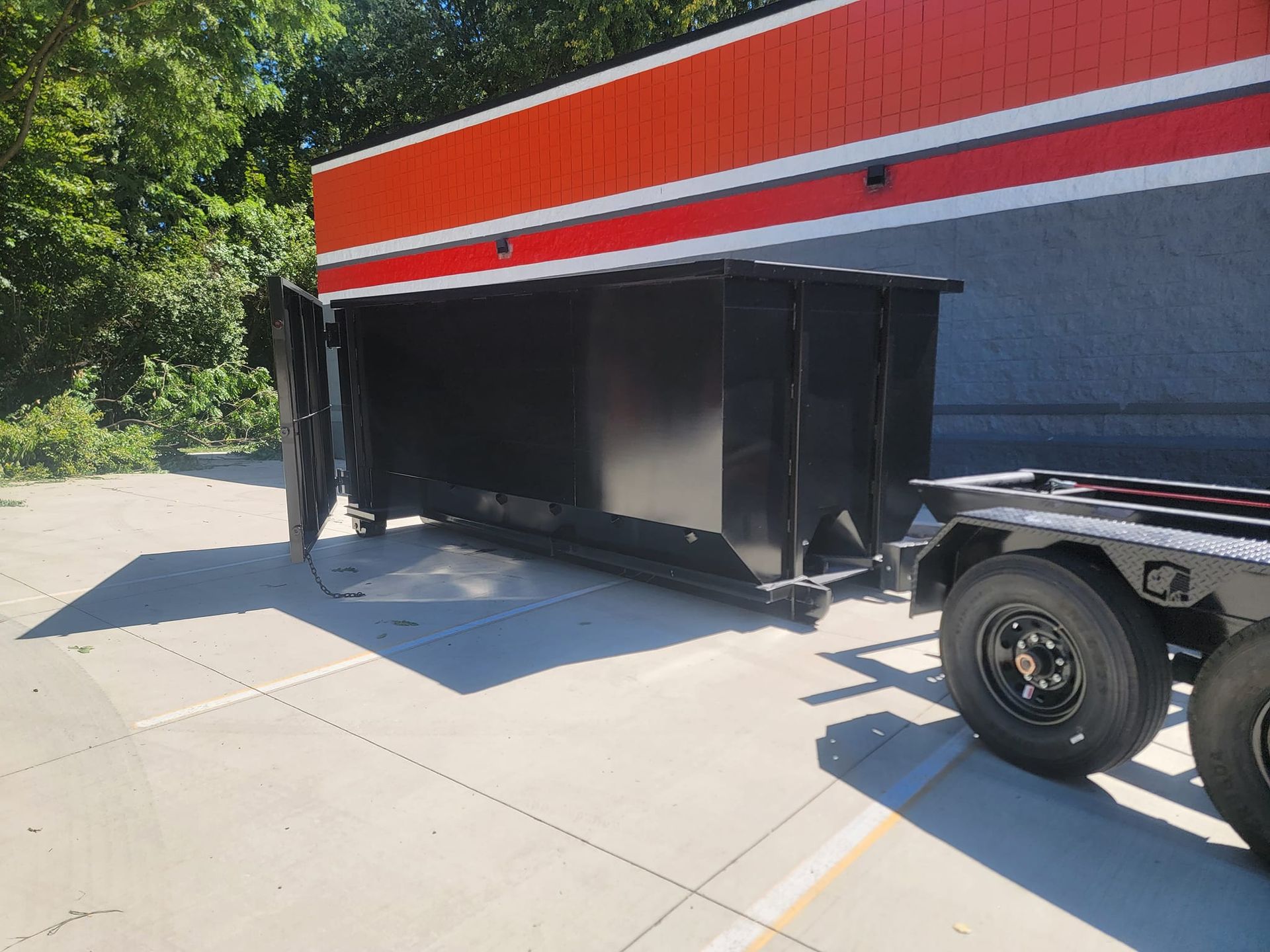
Having a roll-off dumpster on-site lets you drop materials straight in as you go. Walk-in doors and level loading areas make it easy to carry boards, nails, and posts safely. You’ll spend less time hauling and more time finishing your project.
A clear dumpster plan helps you:
- Keep deck debris contained in one place.
- Save time and fuel by skipping multiple landfill trips.
- Avoid tripping hazards or injuries from loose nails and splinters.
- Even a small deck can fill more space than you expect, so matching the dumpster size to your deck size helps control both cost and clutter.
Preparing for Safe Deck Removal
Before tearing into your deck, prepare the area to stay safe and efficient. Remove all furniture, potted plants, and outdoor items first. Check nearby areas for any electric lines, water systems, or gas pipes that could be affected during demolition.
If your deck connects to your house, look at the point where it meets the structure. Carefully detach boards near walls or siding to prevent damage. Remove railings first, then the floorboards, and finish with the support frame. Breaking the project into sections keeps the structure stable longer and makes cleanup smoother.
For heavy parts such as posts or concrete footings, use a wheelbarrow or dolly to move them into the dumpster. These materials are often heavier and may count more toward your weight limit. Knowing your weight cap in advance helps avoid extra disposal fees later.
Dumpster Size Options for Deck Projects
Choosing the correct dumpster size depends on how large your deck is and what materials you’re discarding. The chart below shows typical sizes, approximate truckload comparisons, and the best uses for each option.
| Dumpster Size: | Best Use for Deck Projects: |
|---|---|
| 10-yard | Small decks (100–200 sq. ft.), railings, and light lumber |
| 20-yard | Full deck teardown (300–500 sq. ft.), stairs, and framing |
| 30-yard | Large or multi-level decks, heavy framing, or small concrete bases |
| 40-yard | Commercial or multi-unit deck removals, large mixed debris loads |
Most rentals include a window of five to seven days, giving you enough time to finish cleanup. Heavier debris such as concrete or treated lumber may carry additional fees depending on landfill rules.
How to Load Deck Debris Efficiently
Filling your dumpster the right way saves space and money. Start by cutting long boards into shorter pieces. Smaller lengths stack evenly and prevent wasted gaps. Lay each piece flat, one layer at a time, to make full use of the space.
Place heavier materials, like beams or posts, on the bottom, then lighter materials above them. This keeps the load balanced and makes hauling safer. Stop loading before reaching the top rim so the lid or tarp can close. Overfilled dumpsters can’t be safely transported, so staying below the fill line is always best.
Smart loading helps keep your total weight within limits and avoids unexpected charges during pickup.
Materials That Need Extra Care During Disposal
Not every deck material can go straight into a standard dumpster. Some items require special handling for safety or environmental reasons.
- Treated or painted lumber: Some wood contains preservatives that need careful disposal.
- Metal rails or fasteners: These can be recycled or added to the dumpster with a small fee.
- Concrete or brick pieces: Heavy materials add weight quickly and may increase disposal costs.
- Liquids, sealants, or paint cans: These must be separated and managed safely.
- Large metal fixtures: Heavy brackets and bolts can be recycled if handled correctly.
If you’re unsure about what can go in, ask your dumpster provider before loading. Checking ahead helps you stay compliant and avoid any additional costs.
Simple Site Rules to Keep Cleanup Smooth
Most areas allow temporary dumpsters on private property as long as they don’t block public walkways or mailboxes. Always keep the container fully on your property, ideally on a flat surface like a driveway or gravel area.
After your deck is cleared, sweep or rake the site to collect any small scraps or nails. Using a magnetic sweeper helps find metal pieces you might miss. Leaving the space clean prevents flat tires, injuries, and delays if you plan to rebuild.
Following simple placement and cleanup steps helps maintain a safe and organized project area.
Avoiding Common Mistakes During Deck Removal
Deck teardowns often go wrong when people underestimate time or debris. Skipping preparation or loading too quickly can create extra costs later. The most frequent problems include piling waste unevenly, missing the right dumpster size, or ignoring weight limits on heavy debris.
Taking time to plan your space, check your access paths, and organize debris by type helps everything run more smoothly. A few extra minutes of setup can save hours of frustration once the dumpster arrives.
Wrap Up Your Deck Project
Once demolition is done and the dumpster is full, double-check that nothing extends past the fill line. Secure any loose materials, then call for pickup. After the container is removed, inspect your cleared area for any missed debris or footing pieces.
If you plan to rebuild a new deck, this is the best time to level the ground or improve drainage. A clean, even surface makes your next project easier and safer to build on.
FAQs About Deck Demo and Dumpster Loading
How do I know which dumpster size fits my deck?
Measure your deck’s square footage and consider the type of wood or materials you’re removing. Small decks under 200 square feet often fit in a 10- or 15-yard dumpster. Larger or multi-level decks may need a 20- or 30-yard container to handle framing and heavier debris.
Can I include railings, nails, and small hardware in the dumpster?
Yes, small metal items such as nails, screws, and brackets can go in with your deck waste. Just avoid sharp pieces sticking out of boards to prevent injury when loading.
How long should I plan to keep the dumpster?
Most companies include about one week in the base price. If your project takes longer, extensions are often available for a small daily fee.
What if it rains during my project?
Keep the lid closed or use a tarp to cover the dumpster. Rainwater adds weight to wood and can raise disposal costs. Keeping materials dry helps you stay under the limit.
Is there anything I can’t throw away from my deck demo?
Yes, liquids such as sealants, stains, or paint require special handling. Some companies accept them with an additional charge. Always ask before adding them to the load.
Keep Your Deck Demo Simple and Stress-Free
A well-planned deck demolition doesn’t have to be messy or expensive. With a proper dumpster, clear loading space, and a safe work plan, you can remove everything in just a few days.
Ready to clear space for something new? Estimate your debris, choose a dumpster size that fits, and schedule delivery when it’s convenient. Clean disposal keeps your property safe, saves time, and gives you a fresh start for your next outdoor project.
Book your dumpster online today and make your deck removal easy from start to finish.