Flooring Removal Dumpster Tips for Ithaca, NY
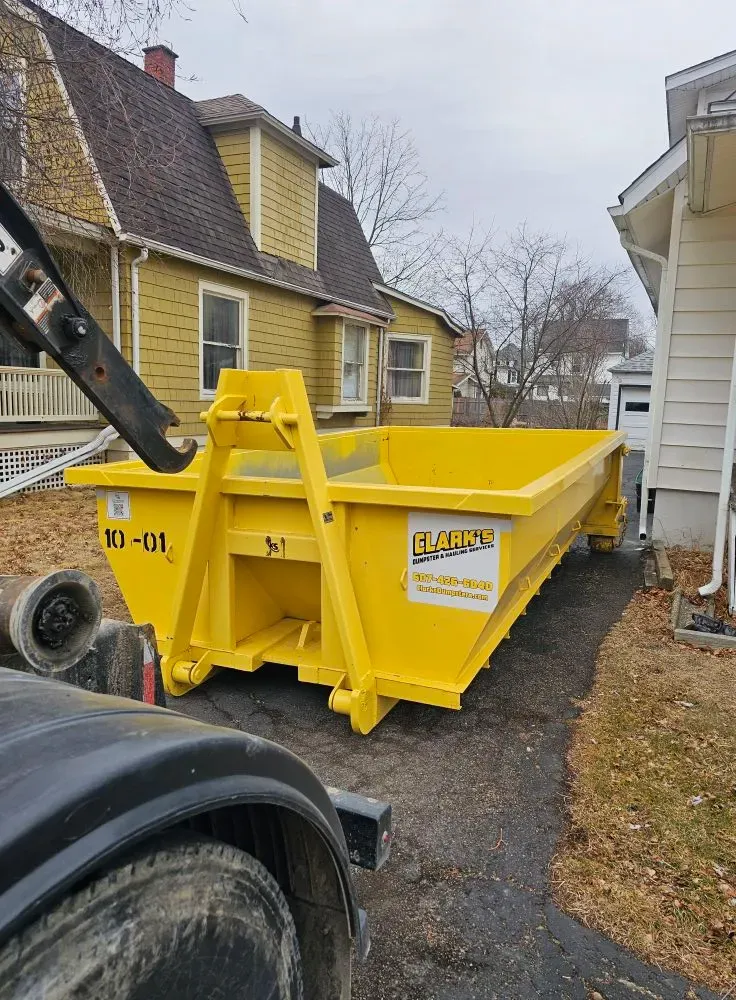
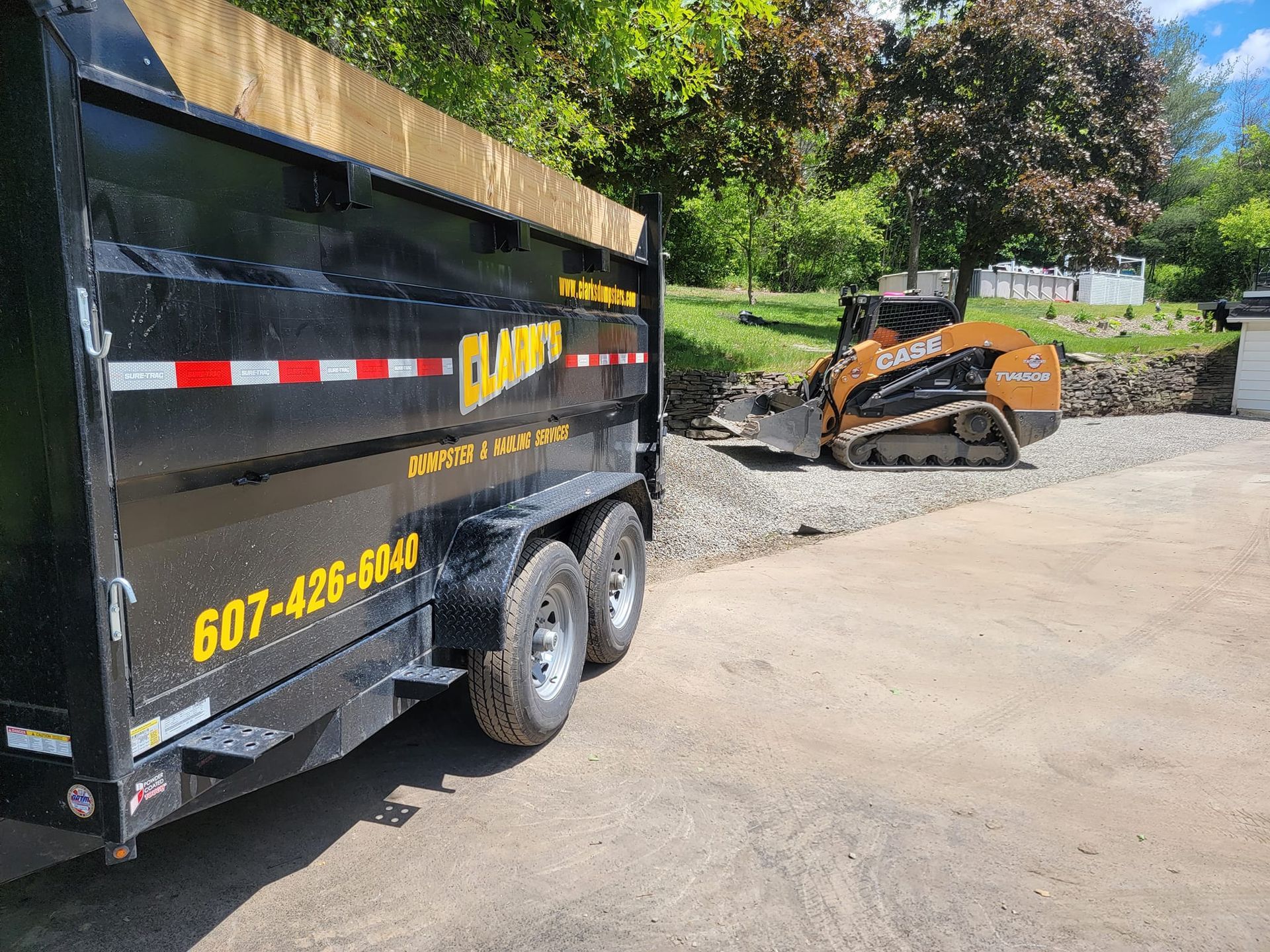
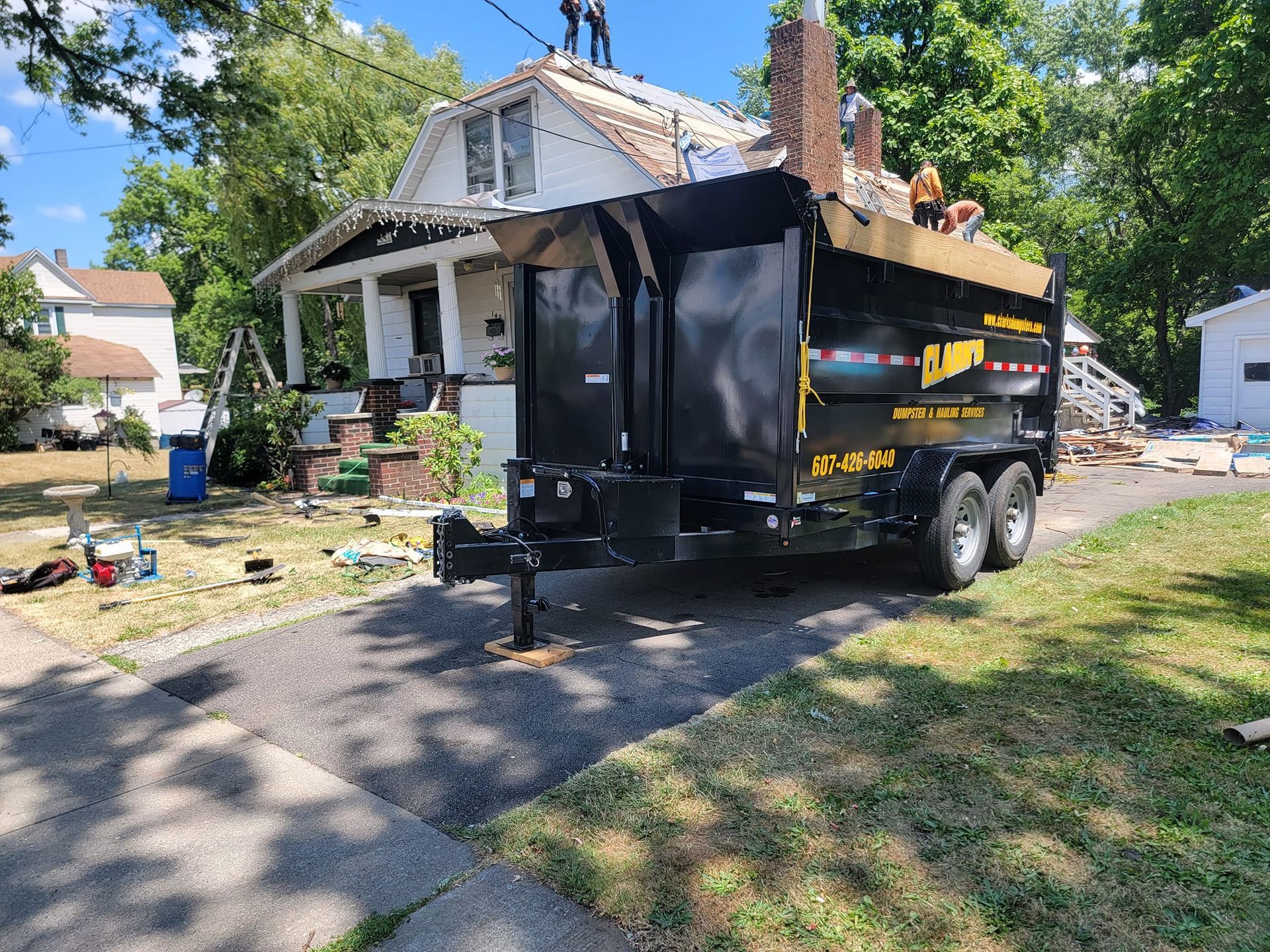
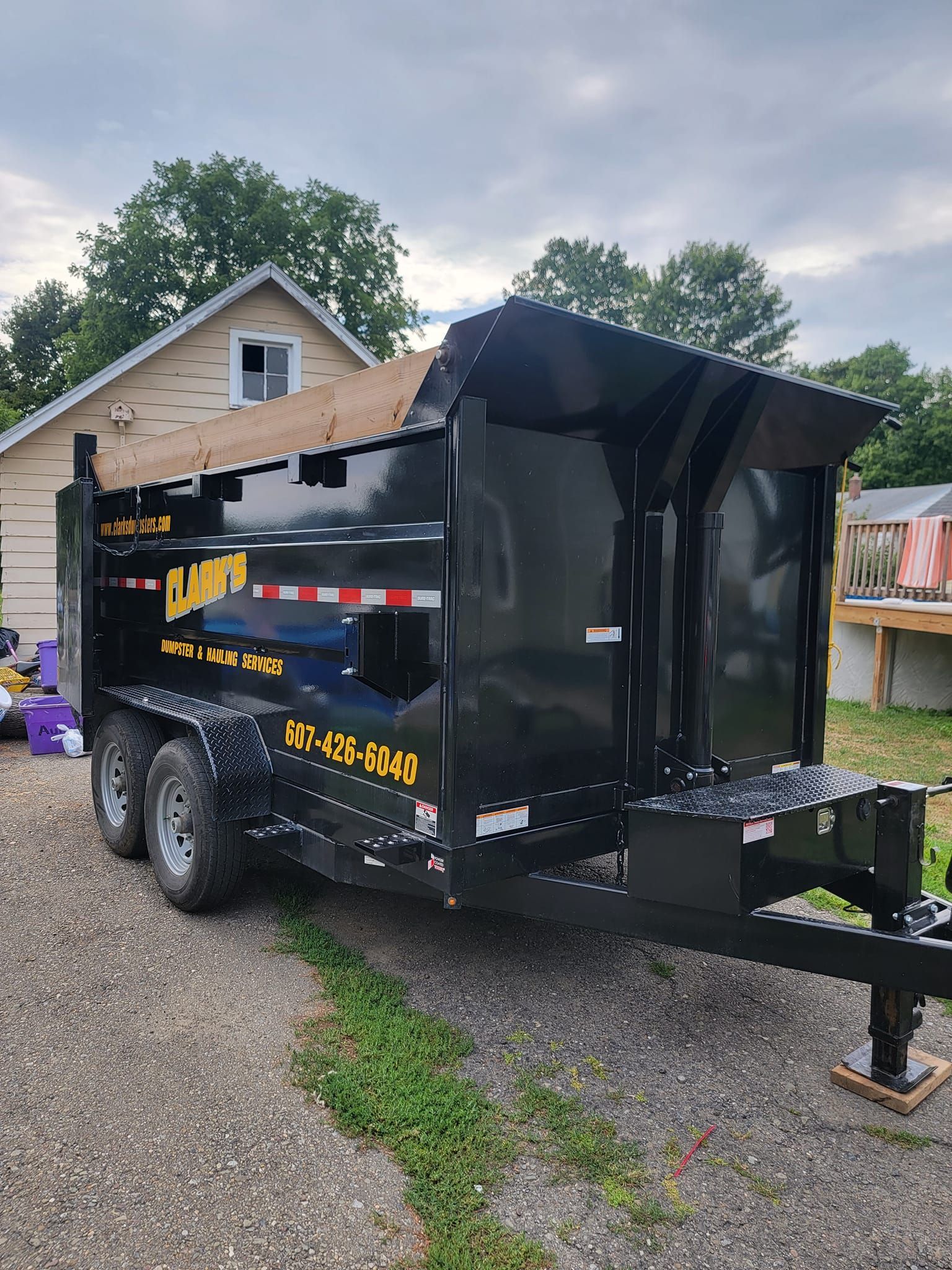
Taking up old flooring can look simple, but the waste adds up quickly. Carpet, hardwood, tile, and underlayment each create bulky piles that take up far more space once torn out. Dumpster rental Ithaca New York gives you a way to control that mess right from the start.
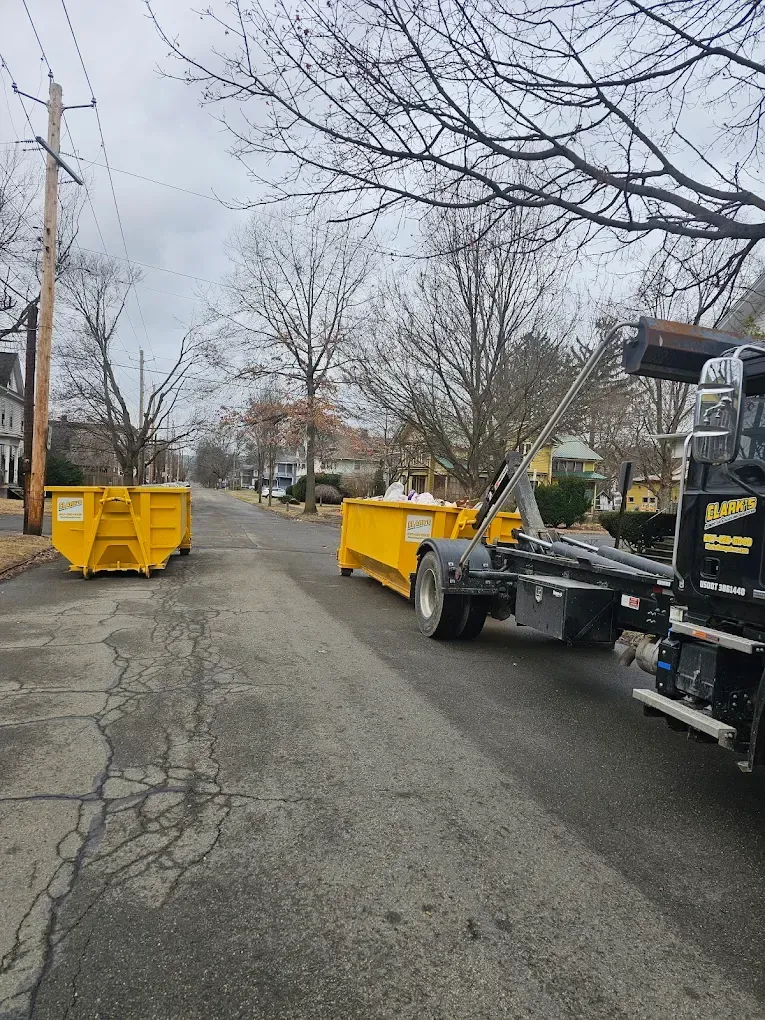
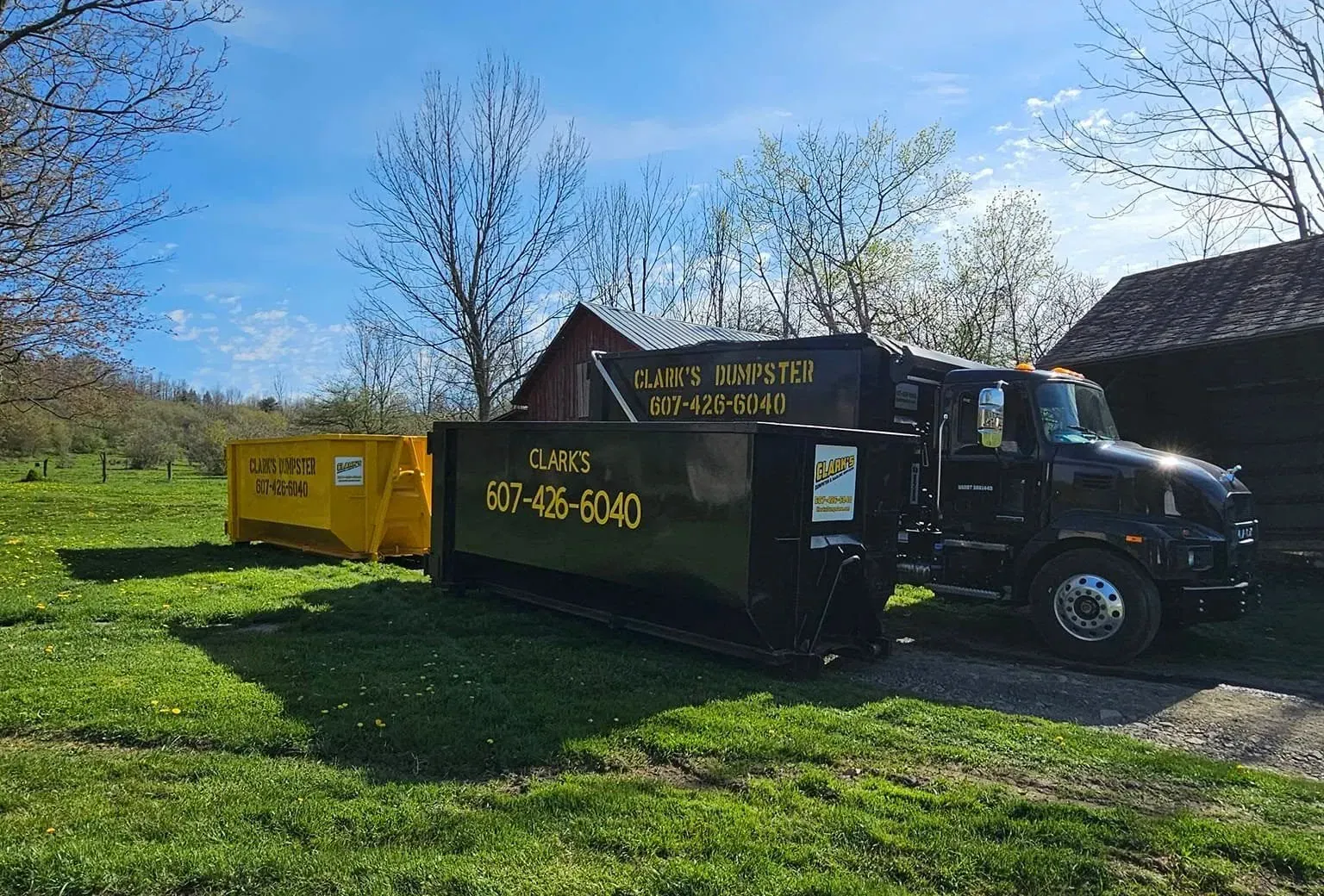
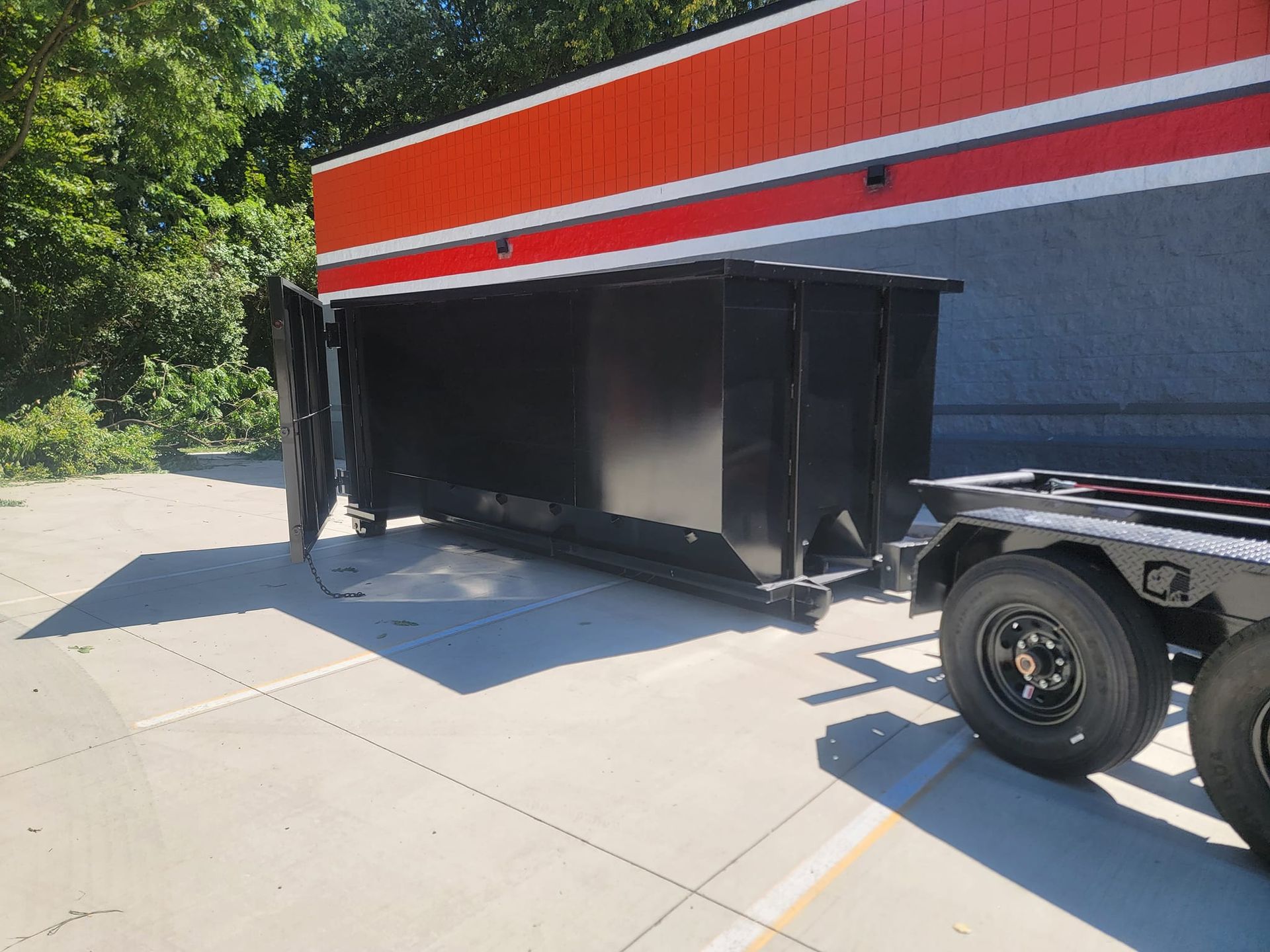
Having a roll-off dumpster nearby helps you stay organized as you move through each room. It keeps materials off the floor, prevents clutter, and saves multiple trips to the dump. The right dumpster turns flooring removal into a single, smooth process instead of a scattered cleanup.
Why a Dumpster is a Must for Flooring Demolition
Flooring materials can’t fit into standard household bins. Tile is dense, carpet is bulky, and nails or staples make trash bags unsafe. A roll-off dumpster gives you one safe spot to place all waste as you go.
It also keeps your work area clear. Flooring projects often reveal sharp pieces of trim or splintered wood that could cause injury if left out. By loading directly into a dumpster, you keep the space open for tools, ladders, and replacement materials without hazards underfoot.
Using a dumpster helps you:
- Keep flooring debris in one contained area.
- Avoid damage to your driveway or yard from scattered waste.
- Maintain a steady workflow without constant cleanups.
Understanding Different Flooring Debris Types
Each flooring material has its own weight, shape, and removal challenge. Knowing what to expect helps you load more efficiently and stay within your weight limit.
Carpet and padding are light but take up volume fast. Roll them tightly before tossing them in.
Hardwood or laminate are heavier and should be stacked flat to save room.
Tile or stone are the densest materials and can quickly add weight, so smaller dumpsters often work best.
Vinyl or linoleum are flexible but slippery; rolling them helps reduce space.
Plywood or subfloor pieces can be large and awkward, so remove them in sections for easier loading.
Understanding your flooring type helps you choose a container that fits your exact needs.
Best Dumpster Sizes for Flooring Projects
Picking the right dumpster is key to finishing your project on time and on budget. The table below shows the most common sizes used for flooring removal, along with helpful comparisons and project types they fit best.
| Sizes: | Flooring Uses: | Pickup Load Equivalency: |
|---|---|---|
| 10-yard dumpsters | Tile, laminate or hardwood from a single room | 3 truck loads |
| 20-yard dumpster | Multi-room flooring replacement or subfloor cleanup | 6 truck loads |
| 30-yard dumpsters | Full-home flooring renovation or large remodel | 9 truck loads |
| 40-yard dumpsters | Commercial floor replacement or apartment tear-outs | 12 truck loads |
Most rentals include about a week of use, which is ideal for home flooring projects. Heavier debris such as ceramic or concrete tile may count more toward your ton cap, so confirm your weight allowance before loading.
Prepping the Space Before Floor Removal
Taking a few extra minutes before you begin saves time later. Clear the room of furniture, rugs, and décor. Open nearby windows for airflow, since adhesives and dust can build up quickly.
Wear protective gear such as gloves, masks, and safety glasses to prevent cuts and irritation. Start from corners or edges, removing flooring in manageable sections. Stacking removed pieces near the path to the dumpster reduces lifting and makes loading smoother once demolition starts.
Simple organization at the beginning makes a huge difference in how efficient your cleanup becomes.
How to Load Flooring Debris Safely and Efficiently
Once materials are ready to discard, load with balance in mind. Place heavy flooring materials such as tile or wood across the base first. Then add lighter pieces like carpet or padding on top. This method spreads the weight evenly and helps the bin stay level during pickup.
Keep pieces flat whenever possible. Avoid throwing materials in loosely, as gaps waste space and can shift during hauling. Stay below the fill line to prevent overflow. Bins must be covered or tarped for transport, so overloading delays removal and can add extra cost.
Even small steps like stacking evenly and checking your weight help you get the best value from your dumpster.
Flooring Waste That Needs Extra Attention
While most flooring materials are accepted, a few may require special handling or disposal fees:
- Adhesives, glue, or mastic with solvents: Often need separate handling because of chemical content.
- Asbestos-containing tile or glue: Must be tested and removed by professionals before disposal.
- Metal trim, nails, or staples: Can usually go in but increase overall weight.
- Painted or treated subfloor wood: Some facilities charge extra to process it.
If you’re unsure, contact your provider before loading. This small step prevents additional charges or rejected loads later.
Keeping Your Work Area Safe and Compliant
Flooring waste is usually considered construction debris and can be placed in a roll-off container on private property. Keep the dumpster on a flat surface away from sidewalks or shared driveways.
After demolition, sweep and check for loose nails or splinters. Flooring cleanup can leave behind sharp fragments that cause tire punctures or injuries. Proper site cleanup ensures safe pickup and keeps your property looking neat once the project is complete.
Errors That Can Slow Down Flooring Projects
Many flooring cleanups take longer than expected because of small but preventable errors. Some homeowners pick a bin that’s too small and end up overfilling it. Others ignore weight limits and get charged for overages. Loading materials unevenly can also delay pickup or make transport unsafe.
Planning your bin size and loading method in advance prevents these issues. Think about the flooring type, amount of square footage, and total days you’ll need before you rent. Careful setup is always faster than fixing problems later.
Easy Tips to Maximize Dumpster Use
Staying organized while working helps you use every inch of your container. Keep a shovel, broom, and trash bags nearby for smaller scraps. Avoid mixing liquids or hazardous items with your flooring debris.
If you finish early, contact your hauler for pickup ahead of schedule to free up driveway space. For longer jobs, check if a swap-out option is available so you can keep working without delay.
FAQs About Flooring Dumpster Use and Disposal
What size dumpster is best for removing carpet throughout an entire home?
Most full-home carpet projects fit well in a 20-yard dumpster. If padding or subflooring is also being removed, consider a 30-yard container to avoid overfilling.
Can flooring adhesives or old glue go into the dumpster?
Some adhesives are fine, but others may contain solvents that need separate handling. Always check before loading to ensure compliance and safety.
How should I prepare heavy tile or stone for disposal?
Remove tiles in smaller sections and spread them evenly across the bottom of the dumpster. Avoid stacking all heavy debris in one spot to prevent tipping or weight issues.
Can I mix wood, vinyl, and carpet in the same dumpster?
Yes, most roll-off bins allow mixed flooring materials. Just avoid combining liquids, paint, or adhesives that could leak or react with other waste.
What happens if my flooring dumpster reaches the top before I’m finished?
Contact your provider for a swap-out or second pickup. Keeping the container under the fill line ensures it can be safely hauled without extra fees.
Wrap Up Your Flooring Project the Right Way
Flooring removal feels much easier when your disposal plan is already set. A properly sized dumpster keeps everything clean, contained, and easy to manage. Once your old floors are gone, your workspace is clear for the new installation.
Ready to begin your flooring cleanup? Book your dumpster online today and make your renovation faster, safer, and stress-free from start to finish.