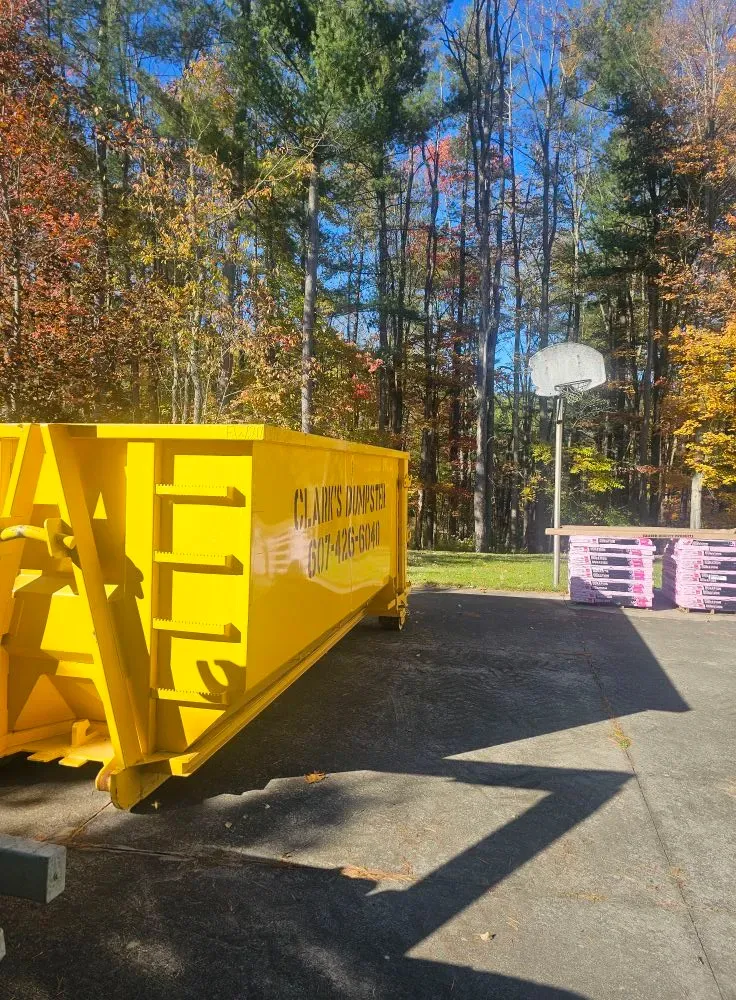
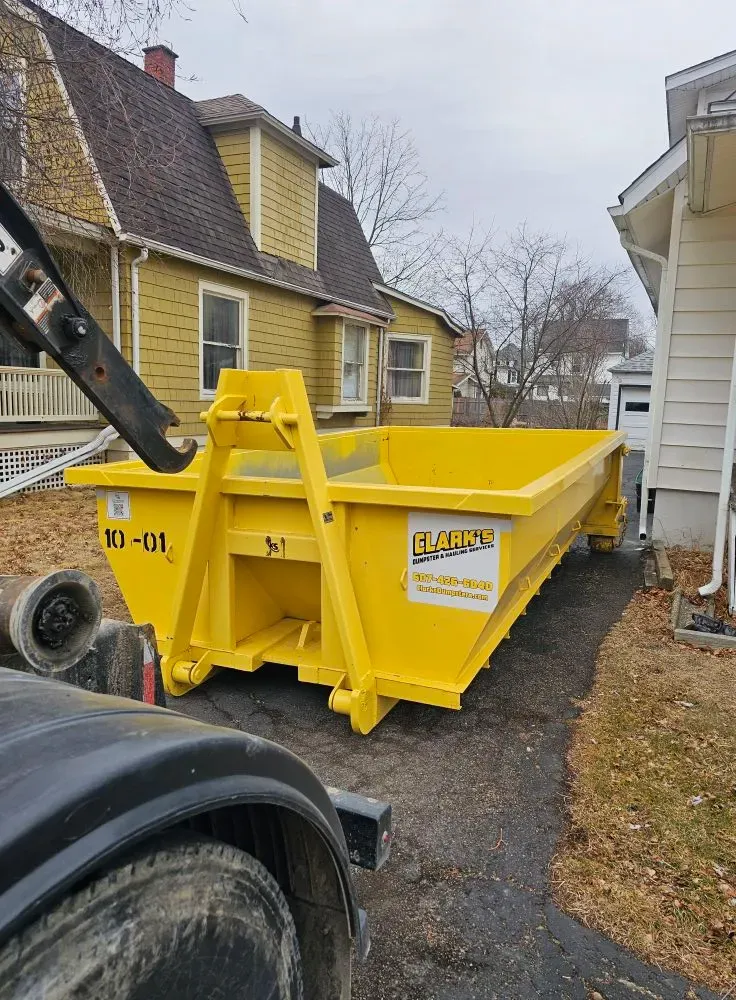
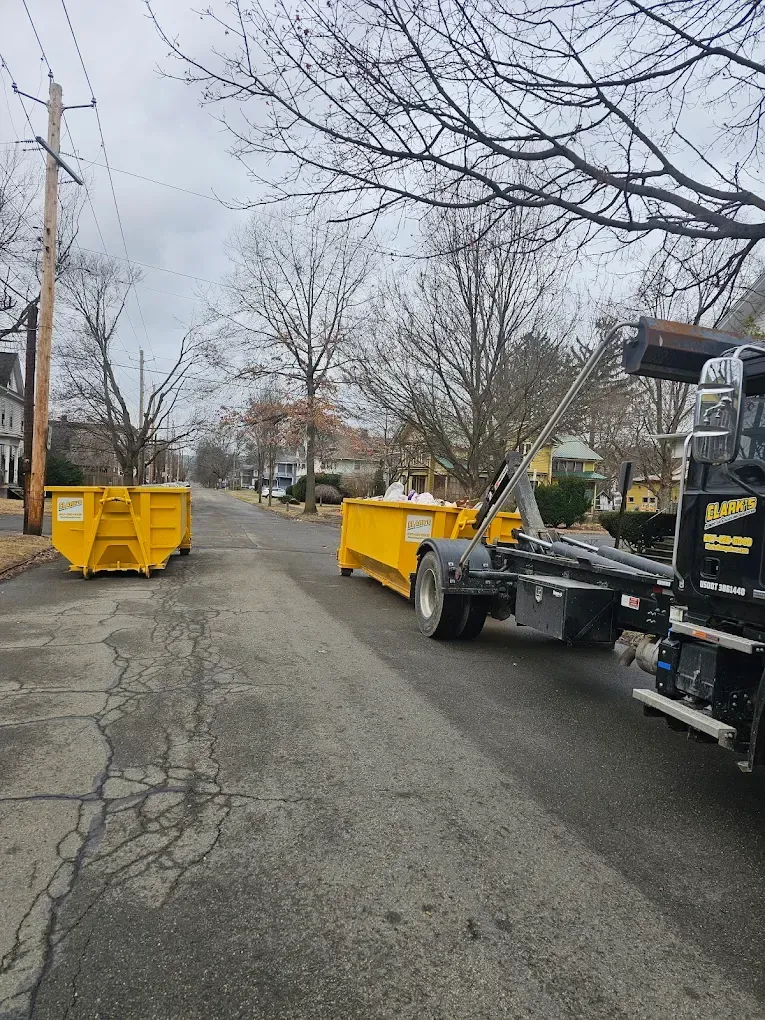
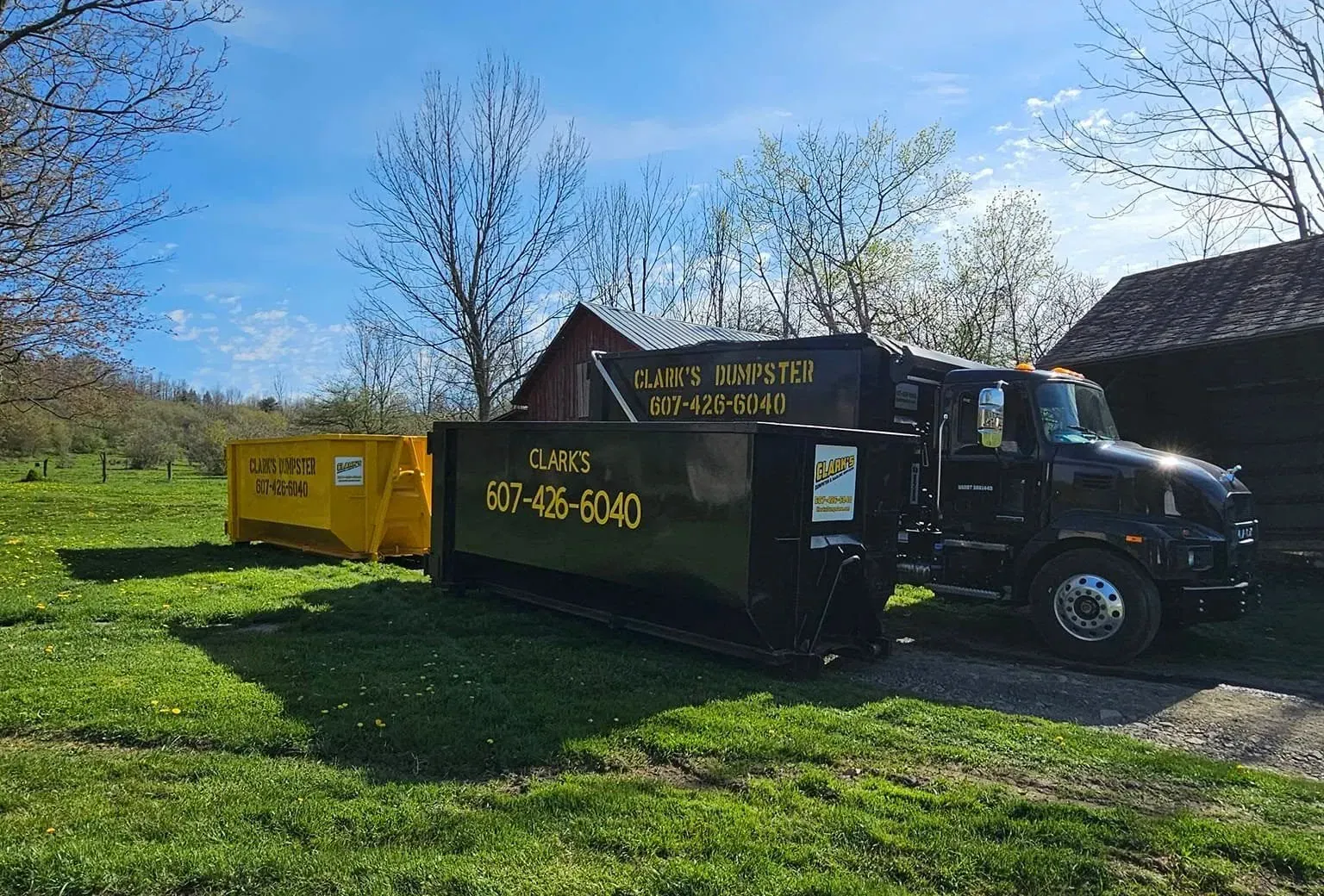
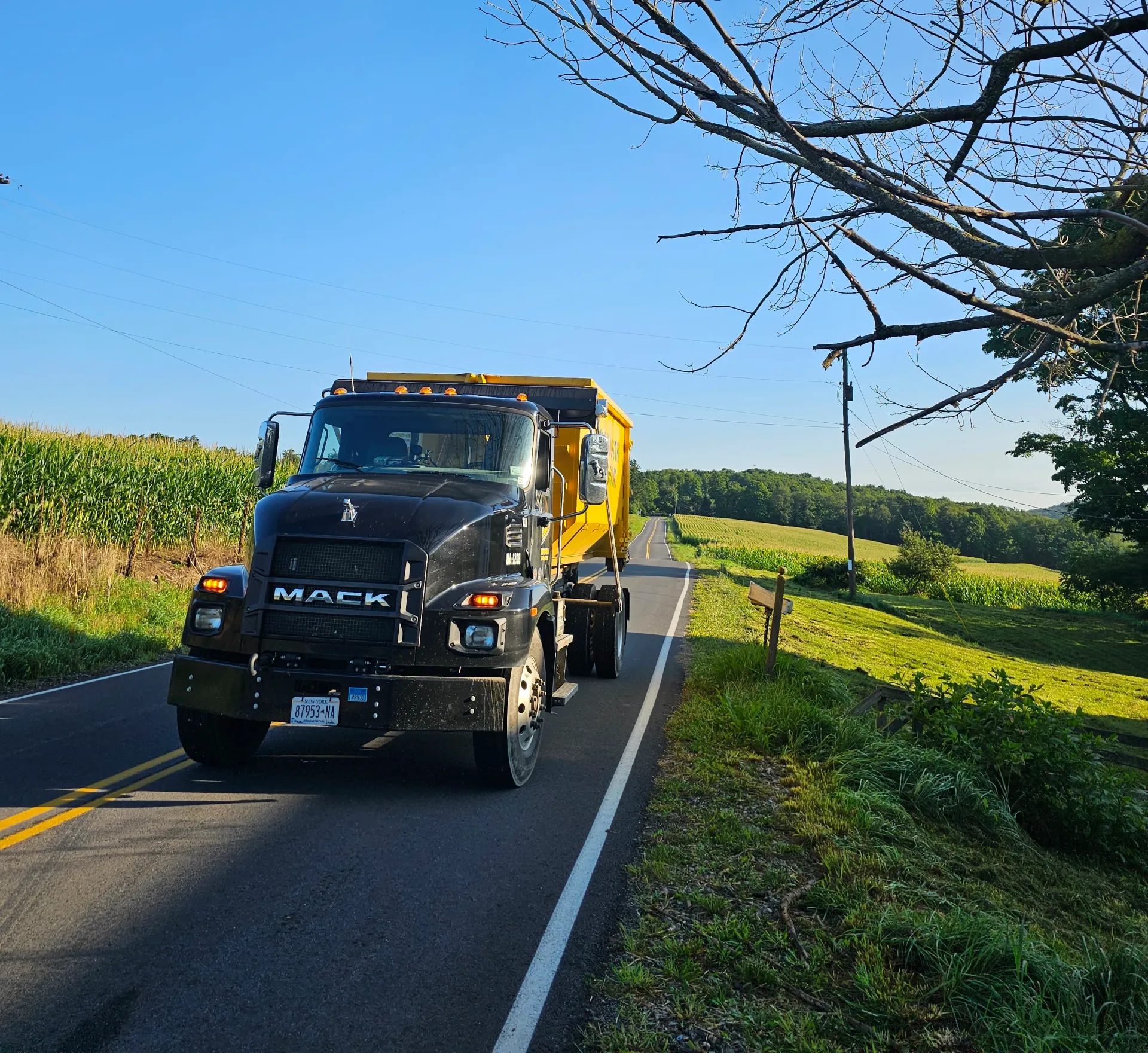
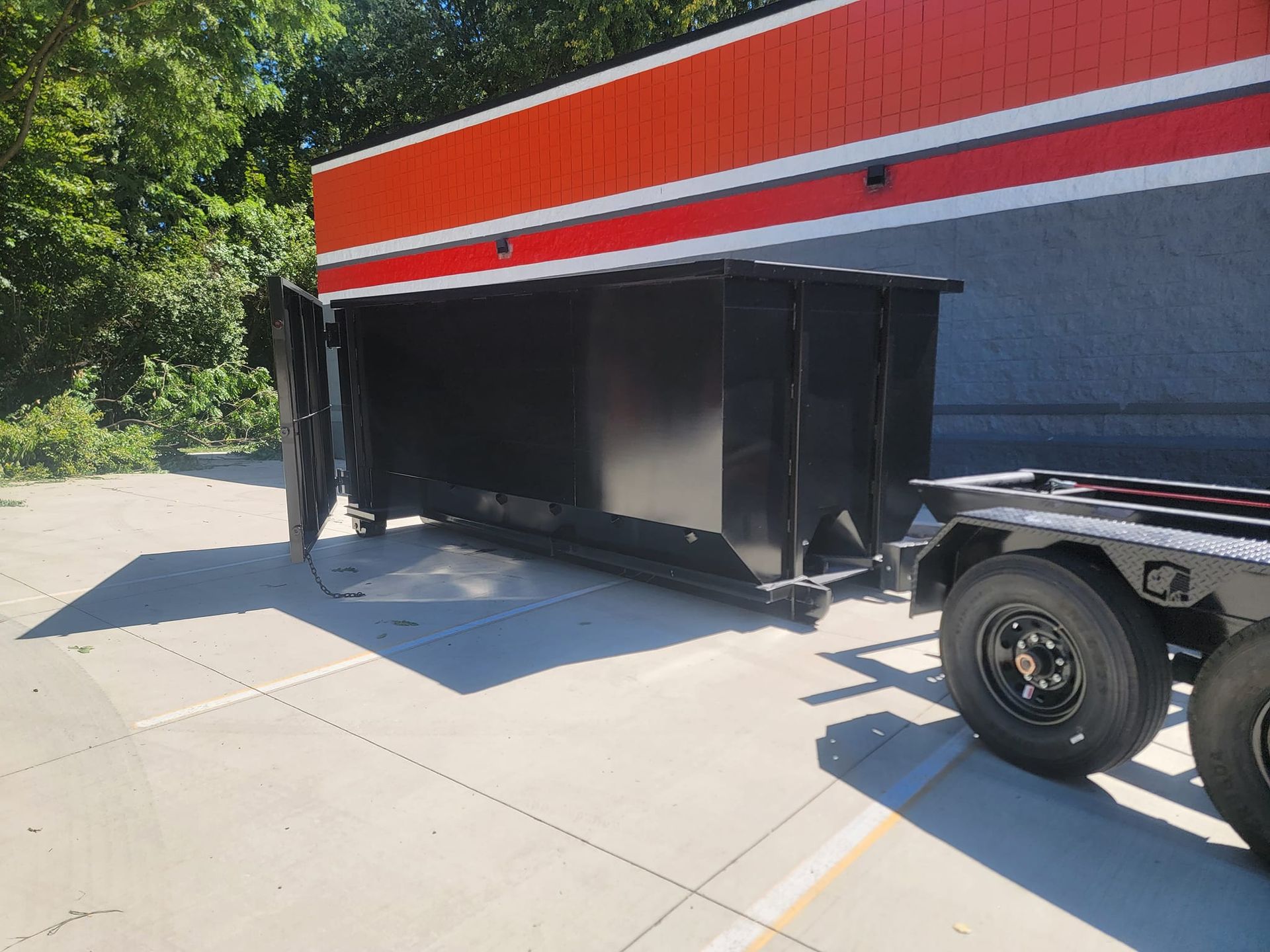
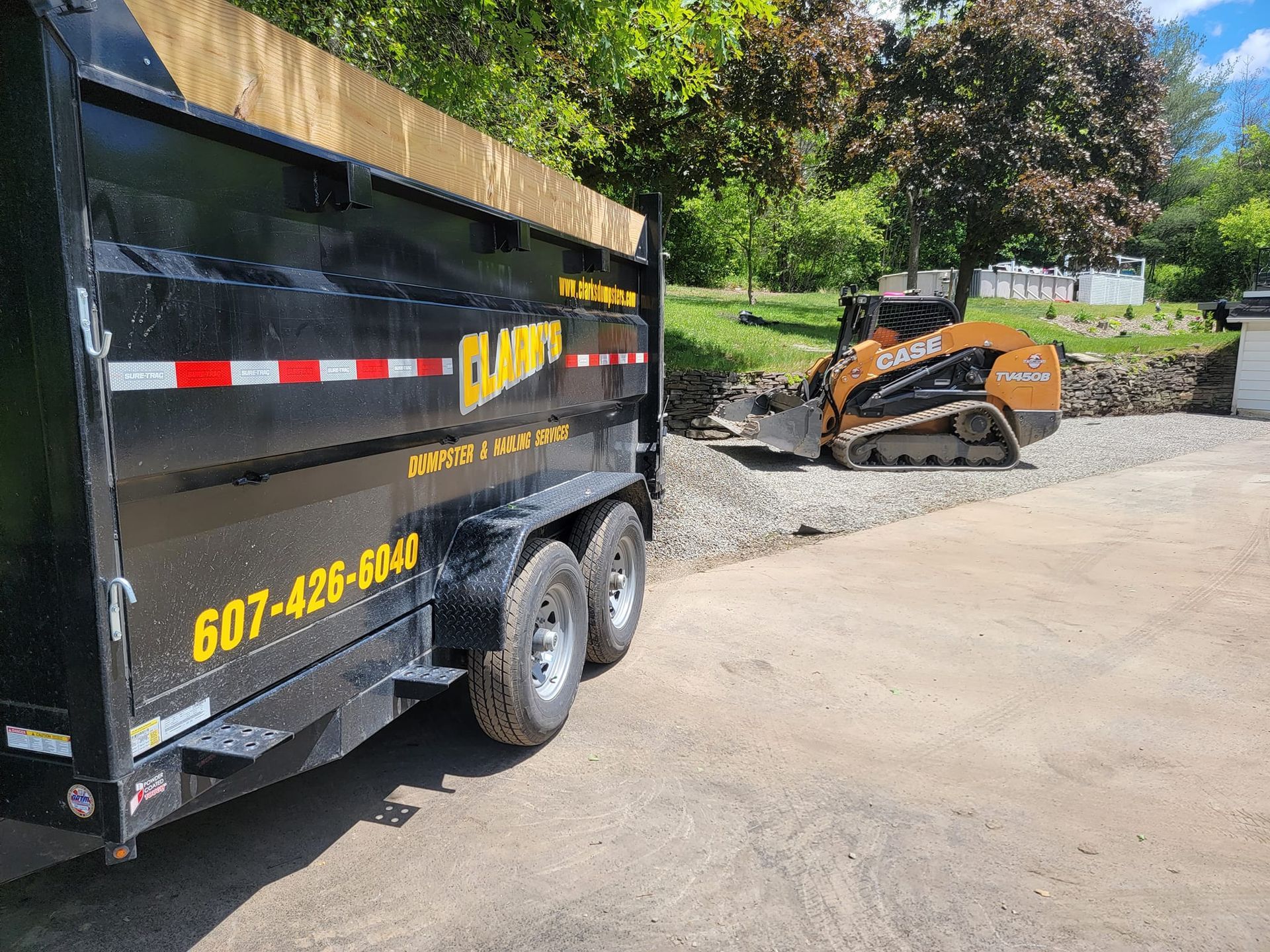
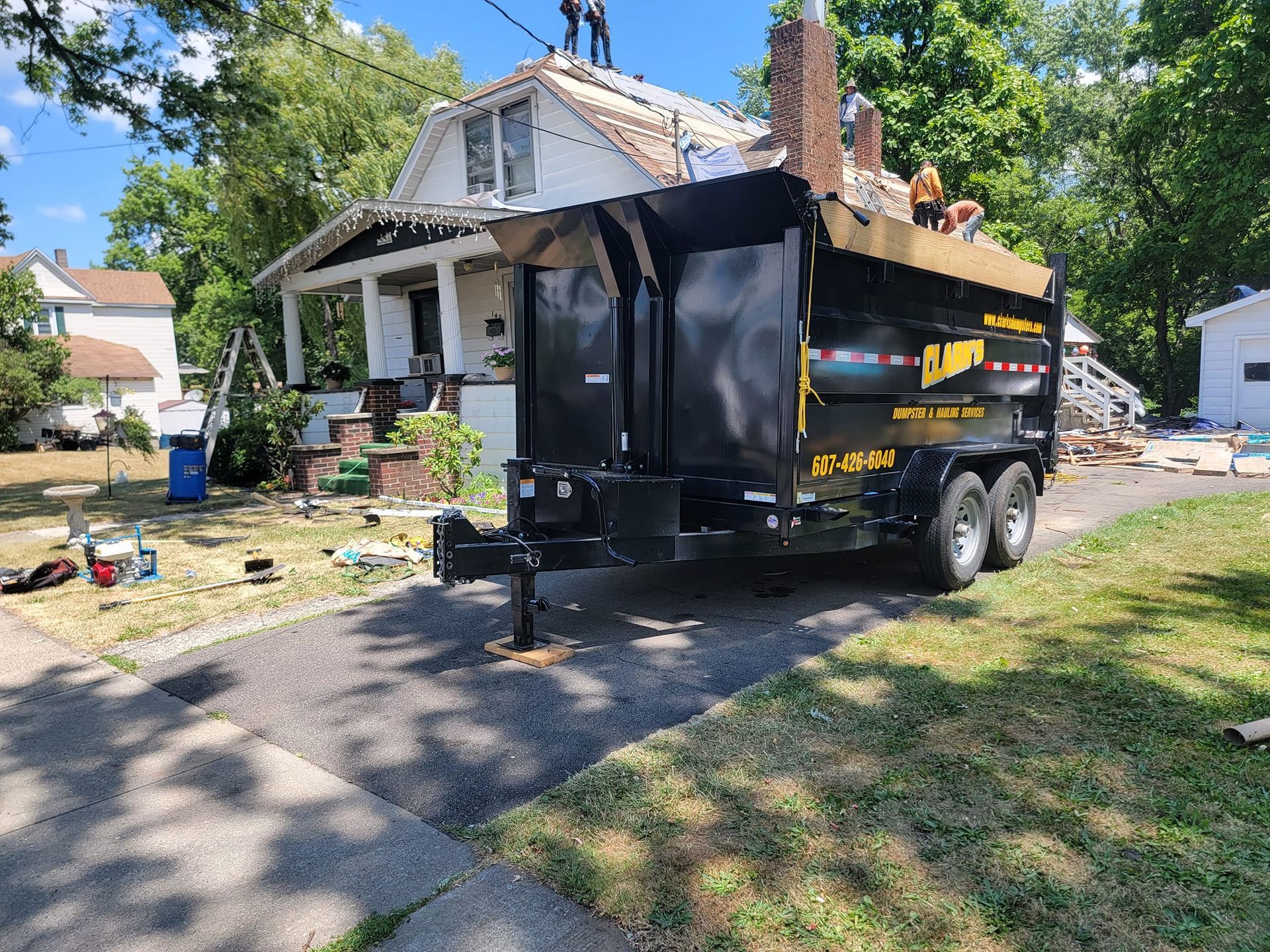
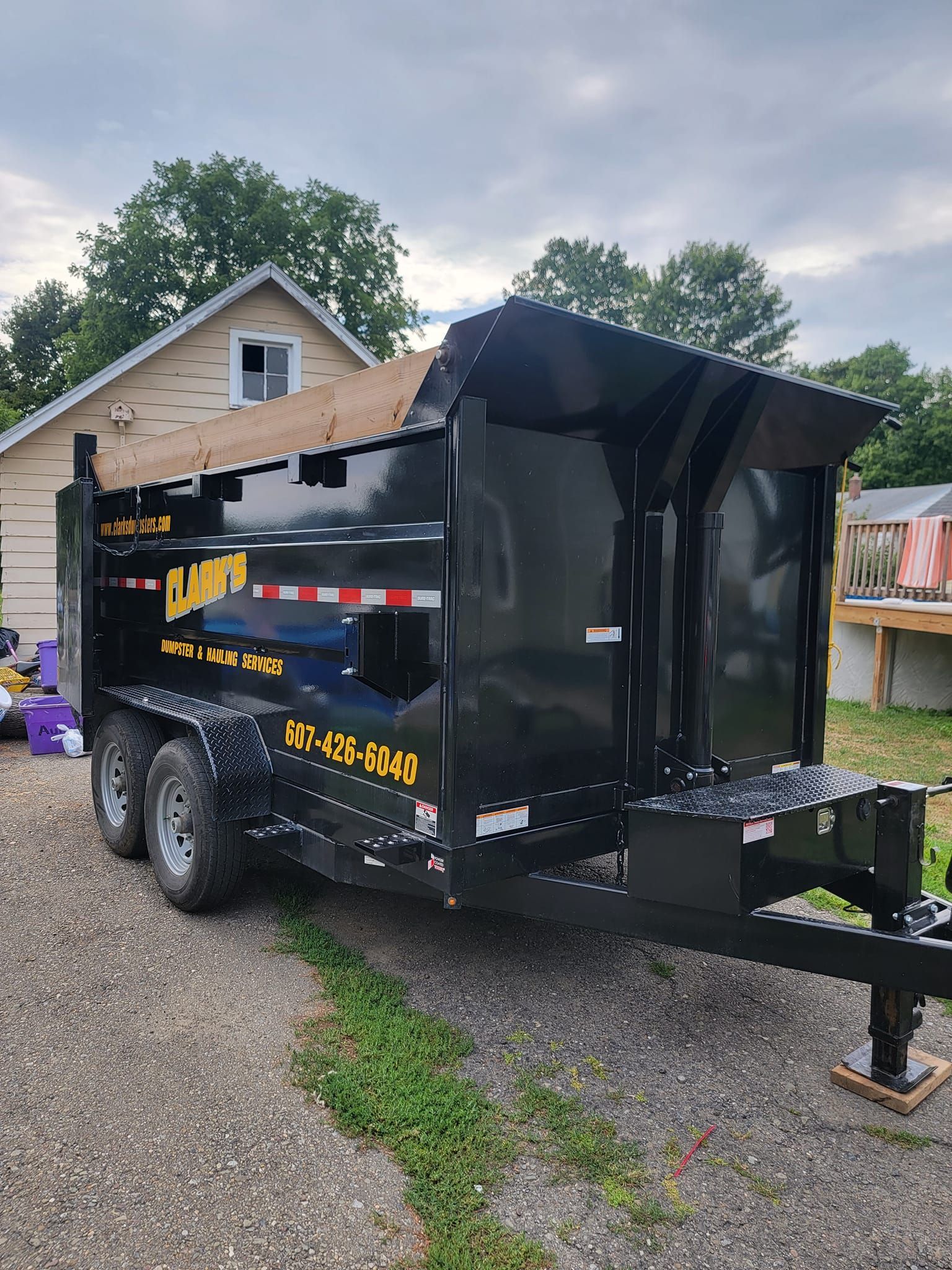
A roll-off dumpster in Ithaca NY is one of the first calls to make after a flooded basement. Water damage moves fast — ruined drywall, soaked insulation, waterlogged furniture, and mold-compromised materials all need to come out quickly. But not everything from a flooded space can go straight in a bin. Knowing the difference saves you time, money, and a rejected load.
Flooding in Ithaca Is More Common Than People Think
Ithaca sits at the southern end of Cayuga Lake in a region that sees significant rainfall and snowmelt each year. The gorges and creek systems that run through the city are beautiful, but they also mean that storm events can send water into basements, crawl spaces, and lower-level units with very little warning. Neighborhoods near Cascadilla Creek, Fall Creek, and the lower West End have experienced repeated water intrusion events over the years.
Older housing stock in Ithaca adds another layer of complexity. Basement walls in pre-1960s homes are often stone or older poured concrete that wasn't designed with modern waterproofing standards. When water gets in, it brings sediment, debris, and sometimes sewage — all of which create disposal questions beyond just "can this go in the bin?" Acting fast after a flood is essential for limiting mold growth, but acting smart about what you're tossing is equally important. Check which items are commonly restricted from roll-off disposal
before you start loading so you don't end up with a rejected or penalized haul.
Picking the Right Bin Size for Flood Debris in Ithaca
Flood cleanup debris is heavy. Wet drywall, soaked insulation, waterlogged wood — it all weighs more than it looks. Size your bin for the volume, but confirm the weight limit before you load.
- 10-yard:
About 3 to 4 pickup truck loads. Useful for a very small basement or a crawl space cleanup where the damage was limited to a few items and a modest amount of wet debris. Not a great fit if you're ripping out drywall and flooring.
- 15-yard:
About 4 to 5 pickup truck loads. Works for a small basement with partial drywall removal and a moderate amount of wet contents — damaged storage, a few pieces of furniture, bagged insulation. Better if the basement is under 400 square feet.
- 20-yard:
Holds 6 to 8 pickup truck loads. The most practical size for a full basement flood cleanup in a typical Ithaca home. Handles drywall removal, flooring, wet insulation, furniture, and general debris without forcing a second bin in most cases.
- 30-yard:
Around 9 to 11 pickup truck loads. Use this when the flood damage extends beyond the basement into other areas of the home, or when the basement is large and you're doing a full gut.
- 40-yard:
About 12 to 14 pickup truck loads. Needed for multi-unit buildings, large commercial basements, or a whole-property flood event. Residential single-family homes rarely need this size, but it's available for serious situations.
Confirm weight limits at booking. Wet debris is dense. A 20-yard bin loaded with soaked materials can hit its weight limit well before it looks visually full. Pricing starts at different points depending on the size, the haul weight, rental duration, and current demand. Get your specific quote at booking.
What Ithaca's Older Homes Mean for Flood Debris
Many Ithaca basements contain materials that require special attention before disposal. Older drywall may contain asbestos in the joint compound. Pipe insulation on older water and steam lines sometimes contains asbestos-containing wrapping. Vinyl floor tiles installed before 1980 are another common issue. If your basement sustained significant water damage and it's an older home, consider having a licensed inspector test before you start ripping things out. Asbestos-containing materials cannot go in a standard roll-off under any circumstances.
Lead paint is also a factor. Older painted surfaces in Ithaca basements — window frames, door casings, painted cinderblock — may have lead-based paint beneath. When you rip out damaged walls or frames, the debris carries that paint with it. In small quantities as part of a general debris load it may be acceptable, but in large concentrations it's worth asking your hauler directly. Being upfront about your debris type at booking protects you and ensures the quote reflects your actual load.
Keep this in mind:
Sewage-contaminated debris requires extra care. If your flood included backup from a sewer line, some materials may need to be bagged separately and disclosed to your hauler before they're placed in the bin. Call your hauler before loading if you're dealing with sewage-involved flood damage.
How to Clear a Flooded Basement Step by Step
Step 1: Stop the water source first.
No cleanup makes sense while water is still coming in. Fix the breach, pump out standing water, and run dehumidifiers before any debris removal begins.
Step 2: Document everything before you touch it.
Photos and video for insurance purposes. Don't move or discard anything until you've documented the damage thoroughly. Insurance adjusters need to see it.
Step 3: Identify what can and can't go in the bin.
Wet drywall, insulation, furniture, carpet, and non-hazardous items generally go. Paint cans, aerosols, chemicals, electronics, and suspected hazardous materials do not. Check the prohibited items list
and set problem items aside.
Step 4: Remove drywall and insulation first.
Cut damaged drywall at least 12 inches above the waterline and bag insulation. These materials harbor mold quickly. Getting them out fast limits secondary damage.
Step 5: Load the bin from heaviest to lightest.
Place wet drywall and heavier materials at the bottom. Lighter items, bags, and furniture go on top. Fill to the bin's rim, not above it.
Step 6: Bag loose wet insulation and fine debris.
Loose debris blows out of bins in transit. Bag it before loading so the hauler can process it cleanly.
Step 7: Call for pickup as soon as the bin is filled.
Wet debris sitting in a bin grows mold fast. Get it hauled promptly.
Flood Cleanup Mistakes That Cost Extra in Ithaca
Mixing hazardous materials with general flood debris is the most costly mistake. One gallon of old motor oil found in the basement, a can of stain stored near the water heater, a collection of old cleaning chemicals — these items, if tossed in the bin along with drywall and furniture, can result in a rejected haul or additional fees. Keep everything separated and ask your hauler about any items you're unsure of before they go in the bin.
Underestimating the weight of wet debris is another problem. A 20-yard bin loaded with wet drywall, soaked carpet, and waterlogged furniture can hit its weight limit well before the bin looks full. When in doubt, ask for a lower fill level target or see if you need a second haul rather than hitting an overage charge that surprises you at pickup.
Waiting too long to book is the third issue. After a flood event that affects multiple properties, demand for dumpsters spikes across the area. Check dumpster availability for Ithaca and Tompkins County
as soon as you've assessed the damage, not after you've already started removing debris. Also compare local Ithaca hauler options
to understand what's in your area before demand spikes.
Frequently Asked Questions
Can wet drywall and soaked insulation go in a standard roll-off?
Yes, in most cases. Wet drywall and non-hazardous insulation are accepted in standard roll-off containers as general construction and demolition debris. The issue is weight — wet materials are significantly heavier than dry ones. Confirm your bin's weight limit at booking and monitor how full it's getting versus how heavy it feels. Staying within the weight allowance is what prevents overage charges.
What do I do with flood-damaged electronics and appliances?
Appliances like water heaters, dehumidifiers, and washing machines generally go in a roll-off if they're non-functional and free of refrigerants. Electronics like computers and televisions may need to go through an electronics recycling program depending on your hauler's policy. Ask at booking what the rules are for electronics and appliances in your rental.
Is there a size that works best for a standard Ithaca home basement flood?
For a full basement gut — drywall, insulation, flooring, and furnishings all coming out — a 20-yard bin fits most Ithaca single-family homes. If the basement is larger or you're also dealing with structural debris, a 30-yard gives you more room. Describe the scope of your cleanout when you book and your hauler can help confirm the right size.
Can I put paint or cleaning chemicals from the basement in the bin?
No. Paint, solvents, and cleaning chemicals are prohibited from standard roll-off containers. These require disposal through a designated hazardous waste facility or collection event. Tompkins County hosts household hazardous waste collection days periodically — check with the county solid waste department for upcoming dates.
Act Fast, Dispose Right, Get Your Basement Back
Flood cleanup is stressful enough without running into avoidable snags on the disposal side. The good news is that most standard basement flood debris — drywall, insulation, carpet, furniture — goes right in a roll-off without complications. The key is knowing the exceptions before you start loading, booking early enough to secure delivery when demand is high, and sizing the bin for wet, heavy debris rather than dry material estimates.
Ithaca homeowners dealing with water damage can get dumpster availability for Ithaca and Tompkins County
and move quickly on the cleanup to get their home back to a dry, safe condition.
Flood Debris Moves Fast. Book Your Bin Before the Rush.
After an Ithaca basement flood, dumpster availability tightens quickly. Check what's available now and get your delivery scheduled before demand spikes.
Check Ithaca Dumpster Availability Now