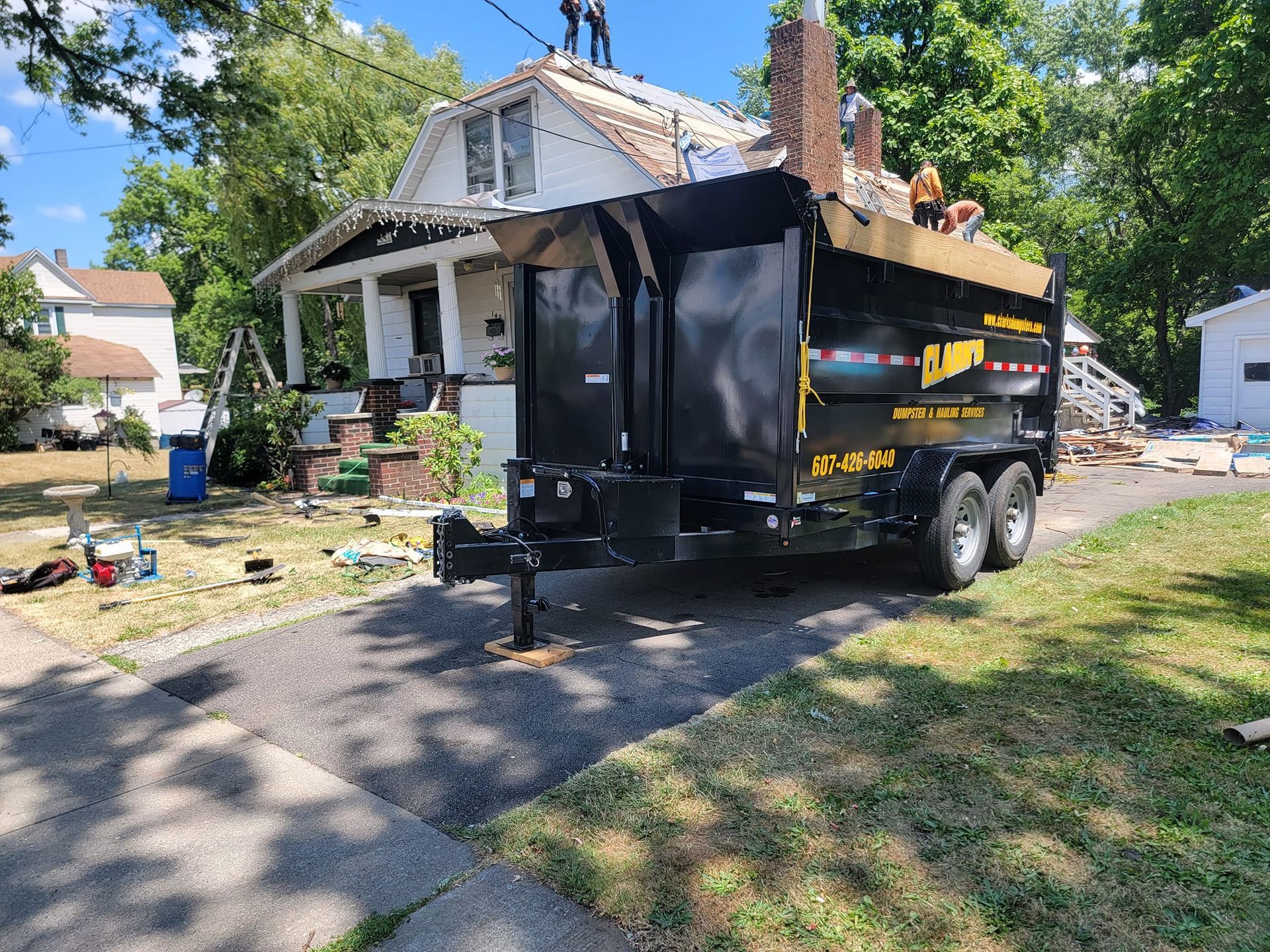
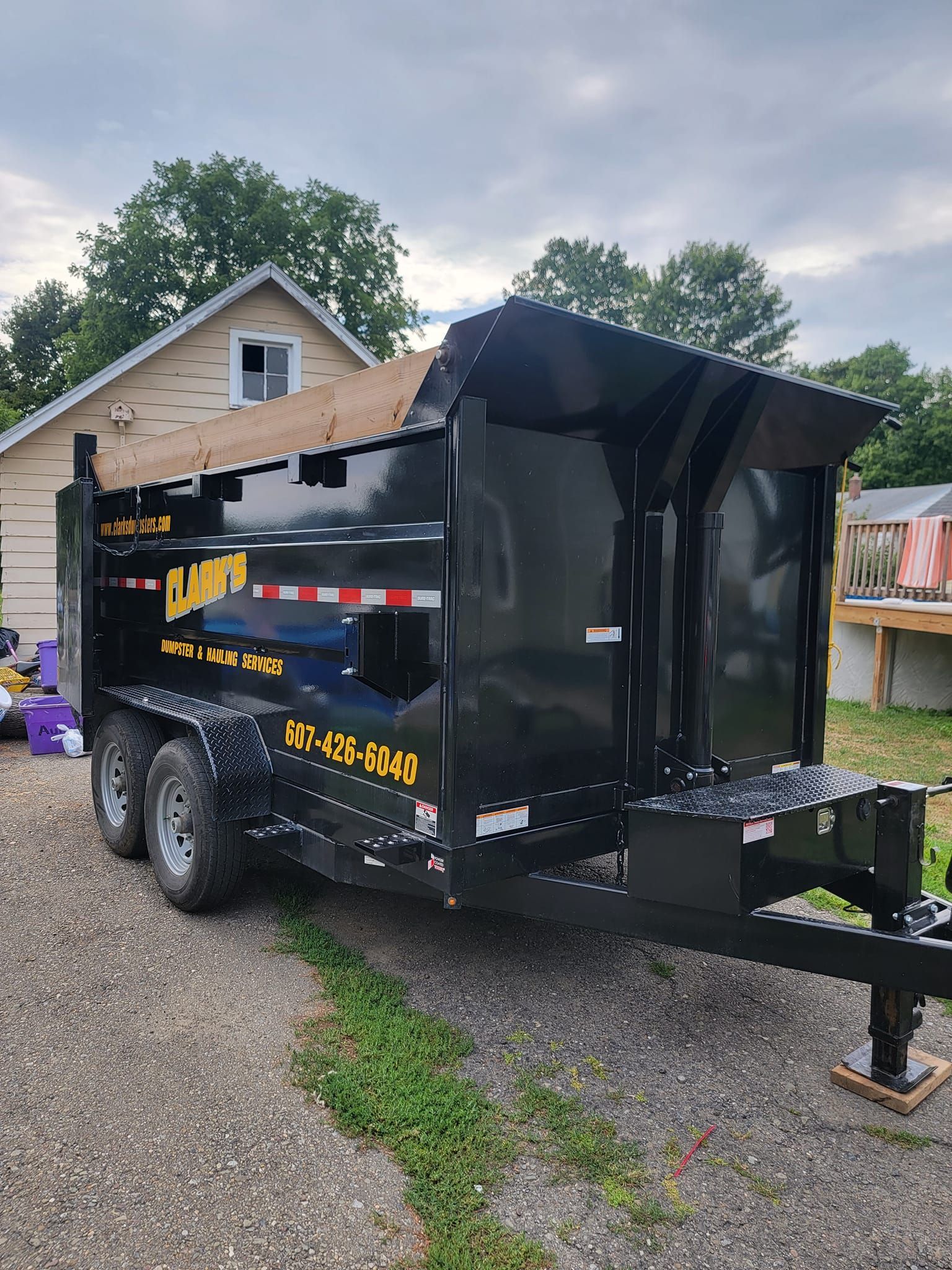
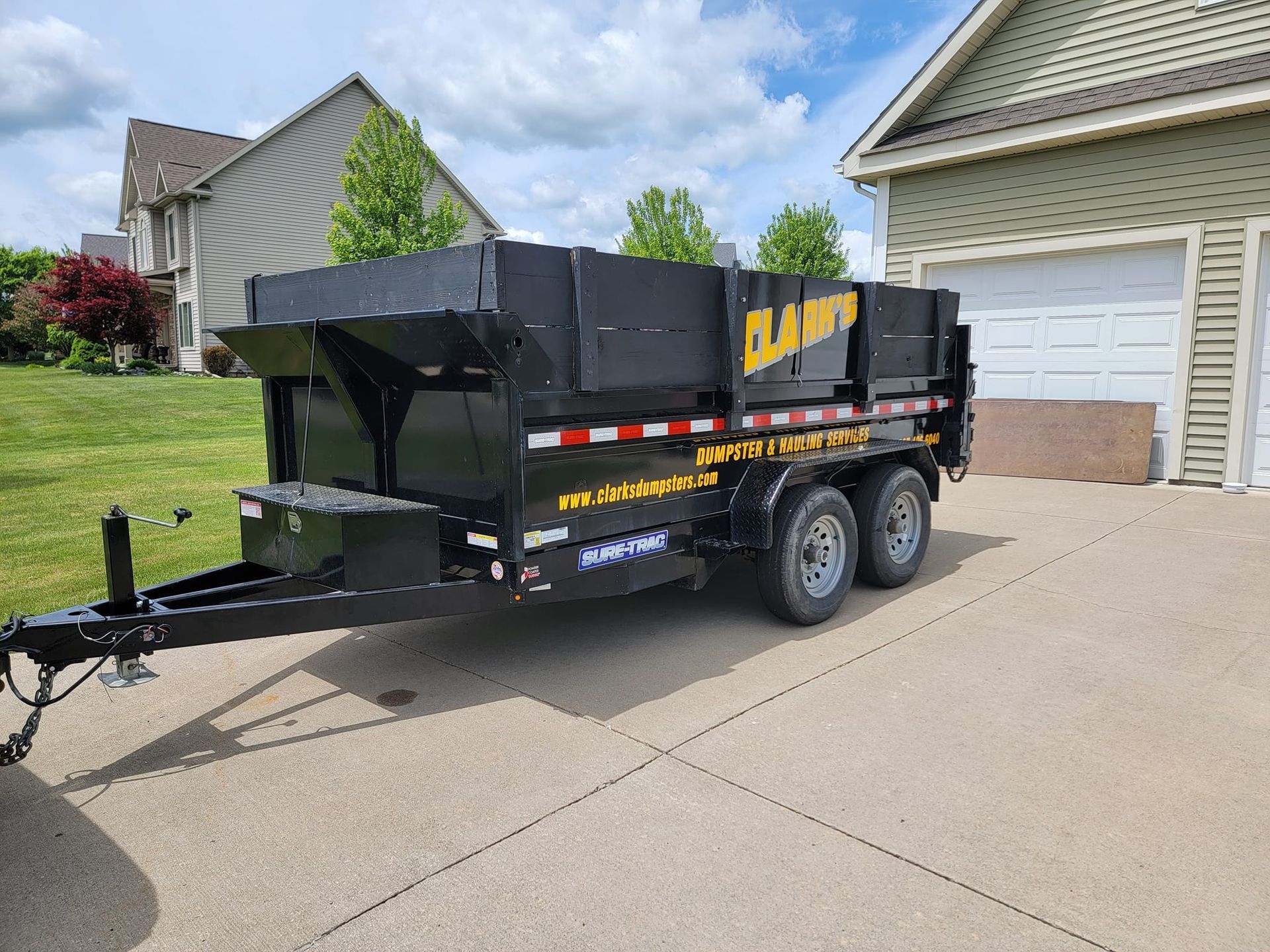
Renting a dumpster in Ithaca, NY is straightforward until the container gets overfilled. What you load matters. How high you stack it matters even more. Overfilling a dumpster is one of the most common and avoidable ways to rack up extra charges or get your pickup refused entirely. Here is what actually happens and how to prevent it.
Why Fill Level Is a Safety Issue, Not Just a Policy
Roll-off dumpsters have a standard fill line. That line exists for a reason. When debris is stacked above the top edge of the container, it becomes a hazard on the road during transport. Items can shift, slide, or fall off the truck entirely. Local road regulations and Department of Transportation rules prohibit hauling loads that extend above the container walls. This is not just a policy the provider invented. It is a transportation safety rule.
In Ithaca, drivers on narrow roads, hills, and campus-adjacent streets face real risk when carrying unsecured loads. A dumpster picked up from a property in Fall Creek or Collegetown might travel through tight residential streets before hitting the main road. If the load is stacked too high and something shifts, it can create a road hazard or property damage. The provider has the right to refuse to pick up an overfilled container. And when they do, you are the one waiting for a resolution while the rental clock keeps running.
Choosing the Right Size Prevents Overfilling Before It Starts
The most reliable way to avoid overfilling is to rent a container that is big enough for your project. Here is a quick reference:
- 10-yard:
About 3 to 4 pickup truck loads. Best for small, contained projects. If there is any chance you will exceed this, step up to a 15.
- 15-yard:
About 4 to 5 pickup truck loads. A safer buffer for mid-size jobs where your volume estimate might be off by a load or two.
- 20-yard:
About 6 to 8 pickup truck loads. The most popular size for home projects. More forgiving if you misjudge the total debris volume.
- 30-yard:
About 9 to 11 pickup truck loads. For large jobs where volume uncertainty is high. Better to pay for the extra capacity than to overfill a smaller container.
- 40-yard:
About 12 to 14 pickup truck loads. The largest available. When in doubt on a big commercial or construction job, this eliminates the guesswork entirely.
Pricing starts at different points depending on size, rental length, and weight. But renting a larger container from the start almost always costs less than paying overfill fees after the fact. For more on how to size a container for your specific project, Roll Off Dumpster Direct
is a useful reference.
What Ithaca Residents Should Know About Local Pickup Rules
Dumpster pickup rules are fairly consistent across providers, but local logistics in Ithaca add a layer of complexity. Many properties in this city do not have wide, flat driveways. Some are on hillside streets or have limited turnaround space for trucks. If your container is overfilled and the driver arrives to find a pile stacked above the walls, they may not even attempt to load it. The truck leaves empty, the debris stays, and you pay for another delivery date after you resolve the issue.
The best approach is to know your fill limit before you start loading. Most containers have a clear fill line marked on the side. Keep everything at or below that line. If you reach the fill line with debris still left over, call your provider. Ask about a swap or an additional container. Visit the Ithaca service area page
to confirm what options are available for your specific location. And if you want to understand local placement restrictions before the container arrives, this guide on driveway rules for dumpsters in Ithaca
covers what you need to know.
How to Load a Dumpster Without Going Over
- Break down large items first.
Couches, cabinets, and pallets take up unnecessary space when loaded whole. Break them down or cut them apart to load flat and compact.
- Load heaviest items first.
Dense material at the bottom stabilizes the load and creates a foundation. Lighter, bulkier items go on top and fill the gaps.
- Fill corners and edges completely.
Irregular debris leaves air pockets. Push material into corners and against the walls to maximize every cubic yard of space.
- Do not create a peak.
A mountain of debris that rises above the container walls is the classic overfill. Keep the load flat and level, not domed.
- Watch the fill line.
When you get close, stop and reassess. If you are approaching the limit and still have material left, call your provider about a swap before the pickup is scheduled.
- Account for loose material.
Branches, dirt, and loose debris can shift and swell in transit. Even if it looks below the line when you pack it, loose material may not stay that way. Load conservatively near the fill line.
The Real Cost of Overfilling
Most providers charge an overfill fee when a container is loaded above the fill line. That fee can be significant, sometimes equal to or exceeding the original rental cost on smaller containers. And that is the best-case scenario. The worst case is a refused pickup, meaning the driver leaves and you have a full dumpster sitting on your property with no removal date until the issue is resolved.
Some providers will remove excess debris themselves for an additional service charge. Others will ask you to take care of it before they return. Either way, you are paying for time, labor, or both. The overfill fee exists because hauling an overloaded container is a violation of transport regulations and a safety risk. It is not a negotiable penalty after the fact.
Planning the load correctly from the start costs nothing. Renting slightly larger than your estimate costs a modest amount. Paying an overfill fee or missing a pickup window on a time-sensitive project can cost significantly more. Size up, load smart, and stay below the fill line.
Real Questions About Dumpster Fill Limits in Ithaca
What exactly counts as overfilling? Is it anything above the rim?
Generally, yes. The fill line on most containers is flush with or slightly below the top rail of the dumpster. Anything that extends visibly above the side walls is considered overfilled. The standard is that the load must be level and flush so the container can be legally transported on public roads.
Will the driver really refuse to pick up a full container?
Yes. Drivers are not required to haul a container that is stacked above the legal fill line. If they leave without picking it up, you may need to pay a re-delivery and re-pickup fee on top of resolving the overfill. It is a situation worth avoiding from the start.
Can I request a swap mid-project if I realize the container is filling up faster than expected?
Absolutely. Most providers in Ithaca can arrange a container swap where they pick up the full one and drop a fresh one in its place. Call as soon as you see you are running out of space. The earlier you call, the sooner the swap can happen and the less downtime you lose on the project.
Does the type of material affect how quickly I hit the fill limit?
Yes. Dense materials like dirt, concrete, and heavy furniture reach weight limits before they visually hit the fill line. Light, bulky materials like cardboard or insulation hit the visual fill line before reaching the weight limit. Knowing what you are hauling helps you estimate both volume and weight capacity more accurately.
Load It Right and the Pickup Goes Smoothly
Overfilling a dumpster in Ithaca is easy to do accidentally and easy to avoid with a little planning. Rent the right size, load strategically, and stay below the fill line. If you are unsure what size your project needs, talk to your provider before the container drops. They can help you make a better call upfront. Check Budget Dumpster's Ithaca page
for additional sizing guidance before you book.
Book the Right Size the First Time
Avoid overfill fees and pickup delays in Ithaca, NY. Get a container that fits your project and your budget from the start.
Find the Right Dumpster in Ithaca