Farm & Barn Cleanouts near Sayre: Sorting Scrap, Lumber & Ag Plastics (Simple System)

Mikayla Lopez • October 30, 2025

Farm and barn cleanouts near Sayre New York give landowners a chance to clear out scrap piles, old fencing, and leftover plastic film that build up over the years. Barns often turn into storage zones for random materials. Over time, these piles grow until they take up valuable working space. A planned cleanout brings order back to your property and makes daily work easier.


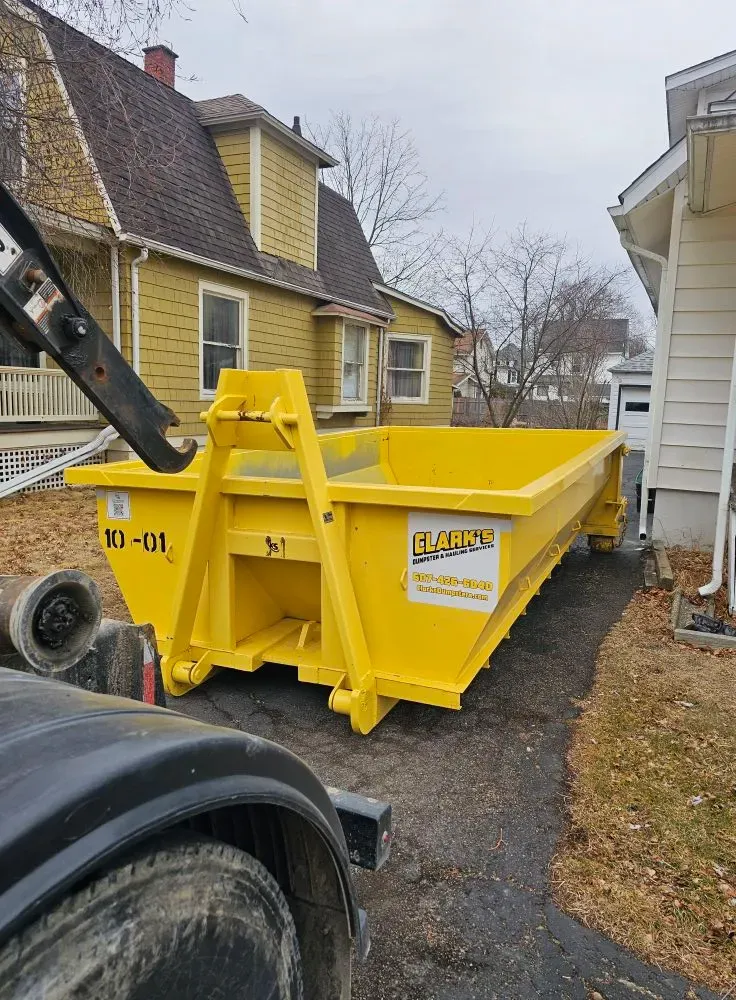
Using a roll off dumpster gives you one central place to load everything as you go. In Sayre and nearby valley areas, local disposal rules shape where bins can sit and what can go inside them. A clean plan before the first item is moved can make the entire process smooth.

Choosing the Right Dumpster for Rural Barn Work

A barn cleanout goes faster when the dumpster size matches the job. Many Sayre farms underestimate how much space scrap and lumber take up once they are loaded. A small bin may seem fine at first but fills quickly with fencing, posts, and wire. A bin that is too large may add extra cost.


Matching your bin to your debris type and volume keeps your work moving without delay. For most farms in the valley, the right container cuts down on hauling trips, keeps piles organized, and helps you finish in fewer days.

Breaking the Barn Cleanout into Simple Steps

Cleaning out a barn can feel overwhelming, but a clear plan makes it manageable. These steps work well for Sayre farms of any size.


Walk the Space with Purpose

Start by checking what is inside each section of the barn. Identify lumber, metal, plastics, feed bags, and anything that may require special handling. Taking a short walkthrough helps you understand what bin size fits best.


Make Sorting Stations Before Loading

Set up barrels, pallets, or buckets to separate debris types. Metal and wood go in one zone, plastics and bags in another. This keeps the bin organized and lets you stack more inside.


Load the Heavy Items First

Place wire, tin, and wood on the bottom of the dumpster. Add light plastics and loose items on top. A layered load travels better and avoids weight surprises at pickup.


Stack Long Items for Maximum Space

Boards and fencing should be laid flat and flush along the bottom or sides of the bin. This keeps air pockets from wasting valuable space.


Follow Local Disposal Rules

Certain barn waste requires extra steps. Pesticide containers and treated wood must be handled according to local disposal standards. Bradford County and Sayre Borough provide clear guidance on how to handle these items safely.

Dumpster Sizes for Sayre Farm Cleanouts

The right dumpster size makes the difference between finishing in one haul or needing extra trips. Sayre farms often pick mid-sized bins, but larger projects benefit from more capacity.

Dumpster Options: Best Use Cases: Weight Cap:
10-Yard Light barn junk, buckets, small scrap About 1 ton
20-Yard Mixed lumber, fencing, moderate plastics About 2-3 tons
30-Yard Barn tear-outs, scrap, roofing tin About 3-4 tons
40-Yard Full barn clearings, silo waste, fencing rolls About 4-5 tons
  • Quick Tips for Barn Cleanouts:
  • Keep the dumpster close to the barn to limit walking distance

  • Stack long items flat to fit more in the bin

  • Bag loose debris to control mess

  • Roll plastic film tightly before loading

Understanding What Can and Cannot Go In

Most Sayre dumpster loads can include common barn debris like wood and wire, but some items require special handling. Sorting early avoids surprise fees at the landfill.

Accepted:

  • Lumber and fencing

  • Scrap metal and wire

  • Bagged trash

  • Plastic mulch film and drip tape

  • Non treated pallets

Not Accepted:

  • Treated posts with creosote

  • Oil drums or containers with liquids

  • Unrinsed pesticide jugs

  • Tires or vehicle batteries

Bradford County Solid Waste and NYDEC offer recycling and drop off programs for many of these restricted materials. Sayre Borough resources help confirm local placement and permit rules.

Best Practices for Bin Placement on Farms

Sayre properties often place dumpsters on packed gravel or level ground beside the barn. A stable surface prevents tipping and makes loading safer. Avoid placing bins near fence lines or low ditches that could limit access.


Permit guidelines are simple. Most private property placements need no permit. If a bin sits in a public right of way, check with Sayre Borough to confirm requirements. Stormwater rules also apply, so bins should stay away from streams and runoff areas.

Avoid These Costly Farm Cleanout Mistakes

Barn cleanouts can get expensive if common mistakes are made. Sorting after you load wastes space and raises weight. Placing the bin too far away slows the process. Exceeding the weight cap adds fees you could have avoided. A little planning saves both time and money.

How Long a Barn Cleanout Usually Takes

Farm cleanouts near Sayre often run between three and seven days. The size of the barn, how sorted the piles are, and the number of helpers all affect the timeline. Choosing the right bin size keeps the project on schedule. Many haulers offer daily extensions if needed, but finishing within the planned rental window usually costs less.

Why Farmers Benefit from Roll Off Dumpsters

Barn and farm debris is bulky and awkward to move. A roll off dumpster lets you keep everything in one place. Instead of loading pickup trucks again and again, one bin can hold the entire cleanout. This saves fuel, time, and back strain. A well placed bin becomes the center of the cleanup operation.

Handling Agricultural Plastics the Easy Way

Plastics like mulch film and silage wrap are light but take up a lot of space. Shake off dirt before bundling to keep weight low. Roll the film tight and place it on top of the heavier base layer in the bin. This keeps the load balanced and avoids blowing debris during transport.

FAQs About Barn Cleanouts in Sayre

  • How big of a dumpster should I rent for a small barn?

    For small barns with mixed scrap, a 20 yard dumpster usually works best. It fits most fencing, wood, and light plastic without going overweight. This size also keeps costs reasonable compared to larger bins.


  • Can I put treated lumber in the bin?

    No. Treated lumber must be taken to special disposal sites because it contains chemicals that cannot go in regular waste streams. Local disposal centers can tell you where to bring these materials safely.


  • Do I need a permit for my barn dumpster?

    If the bin is on your private property, no permit is usually needed. If it sits on a public road or right of way, check with Sayre Borough to confirm. It is best to plan ahead so there are no delays on delivery day.


  • How do I keep the load inside the weight limit?

    Start with heavy items like wood and metal at the bottom. Add plastics and light trash last. Never pile higher than the fill line. Sorting early is the easiest way to stay within weight.


  • What if my cleanout takes longer than expected?

    Most haulers in Sayre allow you to extend your rental by the day. Ask about extension rates when you book so you can build a schedule that fits your project.


Clear Your Barn and Take Back Your Space

A clean barn makes everyday work smoother and safer. By picking the right dumpster, sorting early, and keeping the loading area close, you can turn a crowded space into a clean work zone. A single well planned cleanout often gives farms years of breathing room.

Reserve Your Sayre Farm Dumpster Today

Getting started is simple. Choose your bin size, set your delivery date, and begin clearing your space. Sayre farmers trust local roll off dumpsters to save time, stay organized, and keep their cleanup costs predictable.

By Mikayla Lopez August 13, 2026
Flooring removal generates some of the heaviest debris in any home renovation, and getting a dumpster rental in Ithaca, NY before you start tearing out tile is one of the best ways to keep the project moving.
By Mikayla Lopez August 5, 2026
Renting a dumpster in Ithaca, NY before moving day solves one of the most annoying parts of any move: figuring out what to do with the stuff you are not taking.
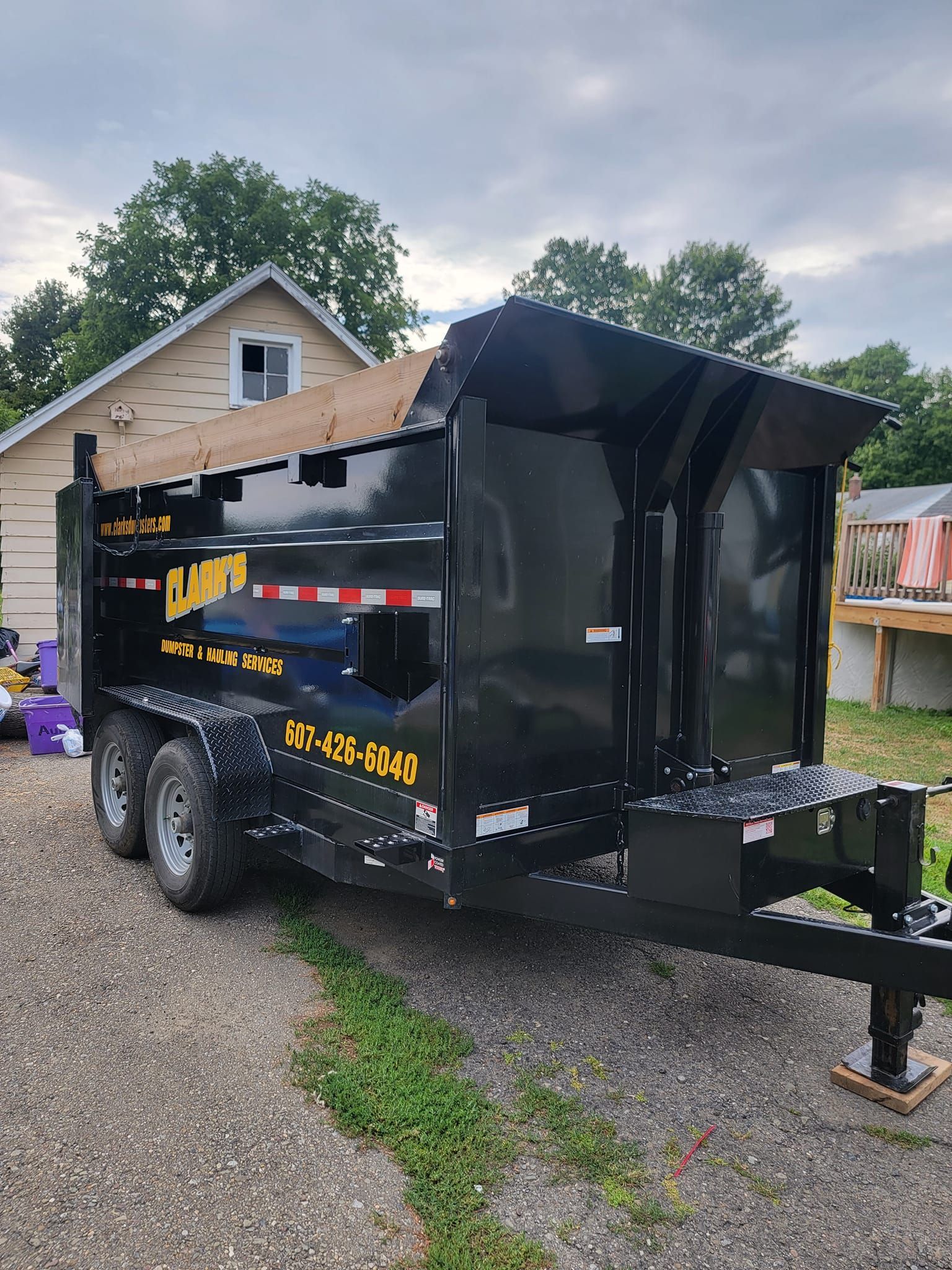
A black dump trailer parked on a concrete driveway in front of a house on a sunny day.
By Mikayla Lopez July 30, 2026
Renting dumpster is often the fastest way to deal with mud buildup, and water-damaged items that cannot be saved. Getting the right bin on site quickly is the difference between one-day cleanup and a week-long ordeal.
By Mikayla Lopez July 22, 2026
Renting a dumpster is often the fastest way to deal with mud buildup, debris washed into your yard, and water-damaged items that cannot be saved.
By Mikayla Lopez July 16, 2026
Loose debris, dead branches, old porch furniture, and overgrown yard waste become projectiles when heavy wind hits. Clearing them out before the storm means less damage and a safer property when it is over.
By Mikayla Lopez July 11, 2026
Demo debris piles up fast, and without a bin on site, it ends up on your lawn, in your garage, or in the back of your truck for a dozen slow trips. A roll off is a better way to handle this.
A large black Clark’s dumpster sitting on grass in a wooded area.
By Mikayla Lopez July 3, 2026
Attic projects move faster when you have a bin parked right outside the door. But before the first box comes, it helps to know what you are dealing with up there.
A black roll-off dumpster with a white logo for
By Mikayla Lopez June 28, 2026
A dumpster rental before listing lets sellers move fast, get the house cleared, and hit the market in the kind of condition that gets real interest.
By Mikayla Lopez June 21, 2026
The holidays leave a trail of bulk waste that regular trash pickup was not built to handle. In Ithaca, NY, January means giant boxes, old furniture, and the general overflow that comes from a full house of people.
By Mikayla Lopez June 16, 2026
Replacing a fence in Ithaca, NY sounds like a weekend job until you actually start pulling old posts. A dumpster rental handles the debris, so the job site stays clear and the work keeps moving.
Show More