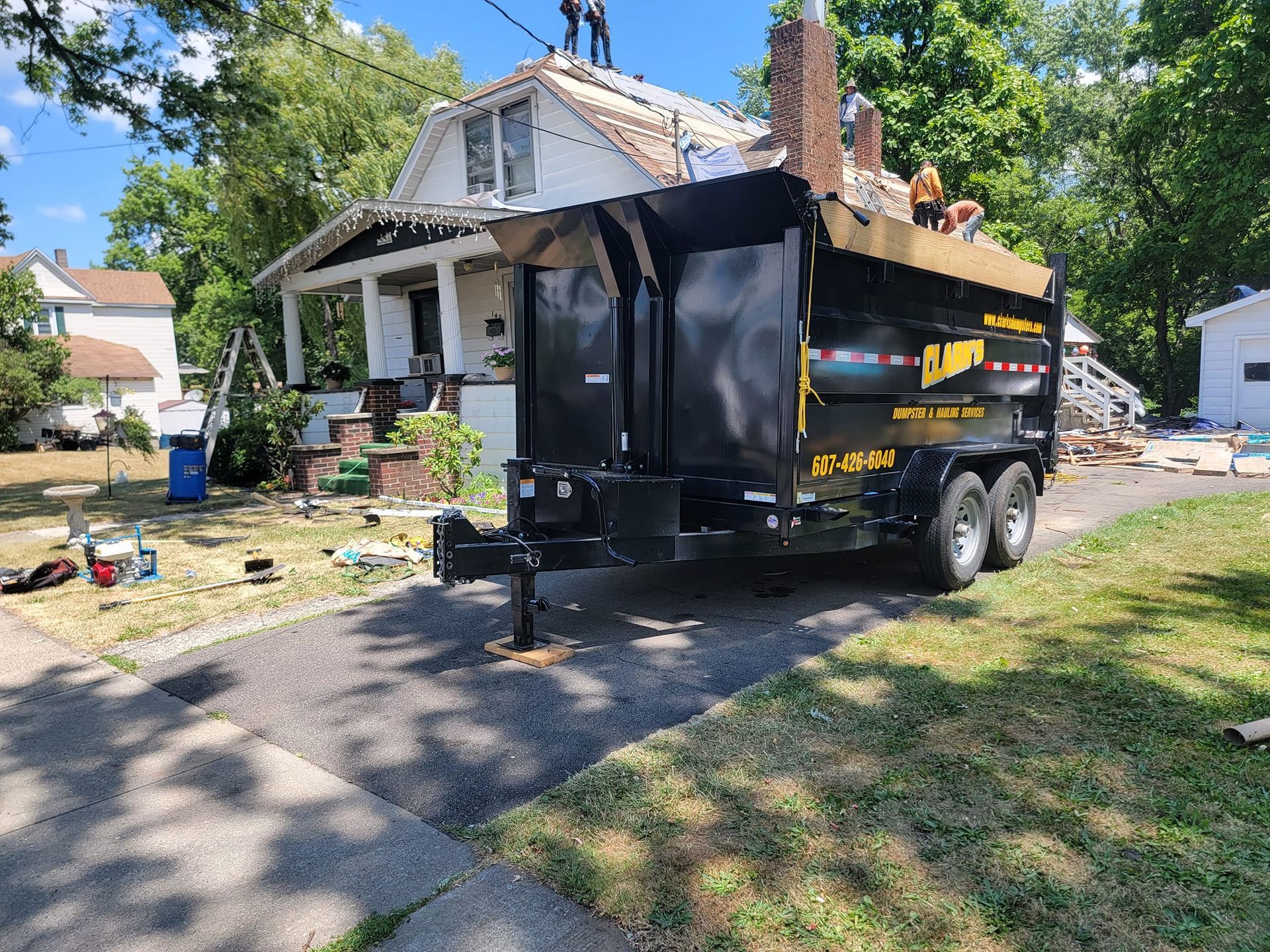
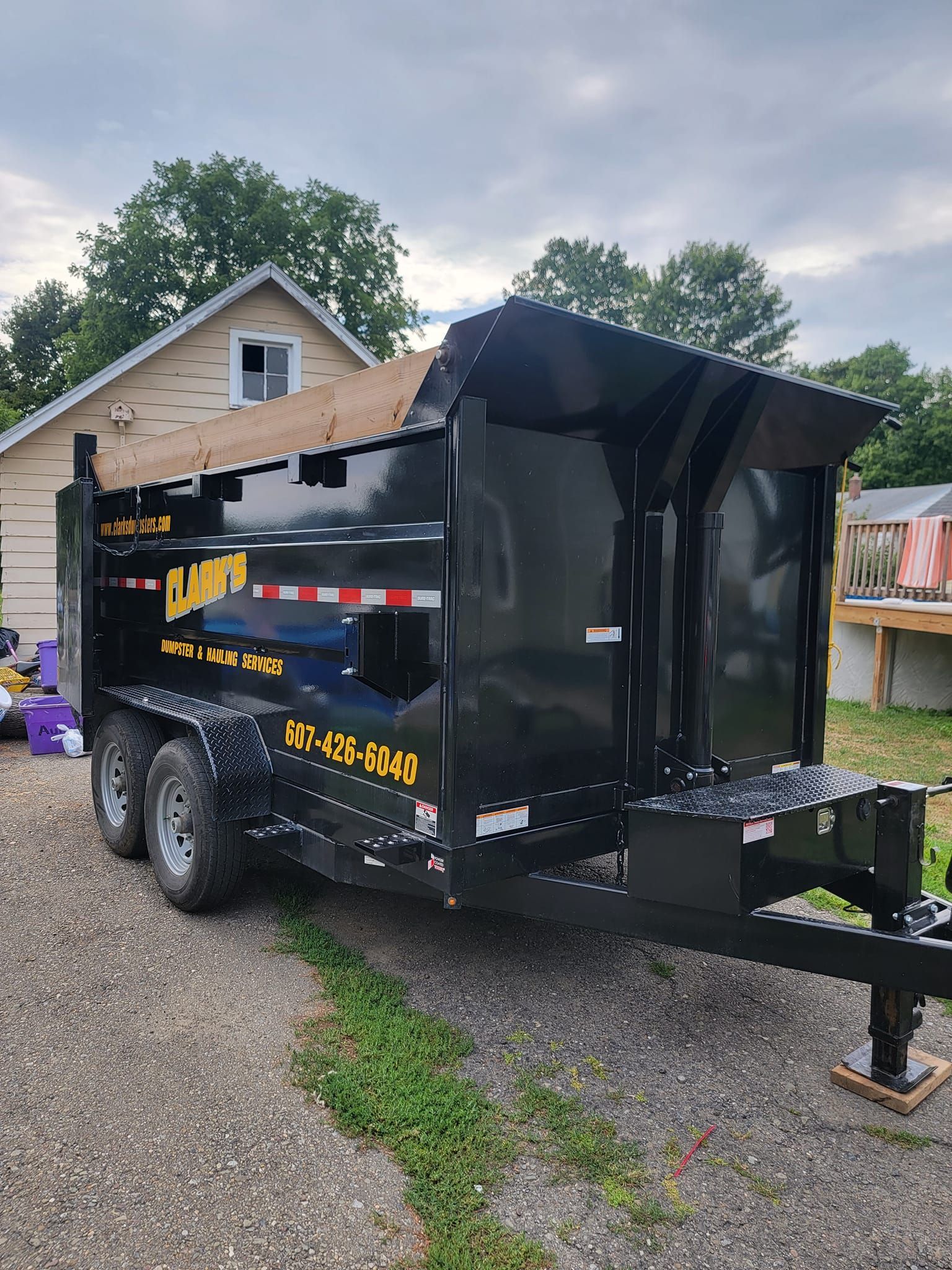
A full home renovation in Ithaca, NY is not a single-bin job. Multi-room or full-floor projects produce debris in phases, and a dumpster that fills up in week one becomes a barrier that stops the project cold. Smart planning for dumpster swaps is what keeps a big renovation moving from start to finish.
Why Full Renovations in Ithaca Need Phased Debris Planning
Ithaca has a deep stock of older homes, many of them built before 1960, with original plaster walls, horsehair insulation, solid wood framing, and multiple layers of flooring from renovations that happened over decades. When you gut a room in a house like that, the material density is high. A single bathroom can produce more debris than expected because of thick plaster walls, heavy tile, cast-iron fixtures, and layered floor materials.
Multiply that across multiple rooms, add roofing, windows, HVAC rough-in debris, and new material packaging, and the total debris volume becomes substantial fast. The answer is not renting the largest possible bin on day one. The answer is planning which phases generate the most debris, how long each phase takes, and when a fresh bin needs to be in place before the full one becomes a problem.
Dumpster Sizes for Full Renovation Projects
- 10-yard:
10 cubic yards, about 3 to 4 pickup truck loads. Use this as a targeted swap bin for a single phase, like a bathroom gut while the rest of the project is still in planning.
- 15-yard:
15 cubic yards, about 4 to 5 pickup truck loads. Good for a single-floor phase with moderate debris: flooring removal, wall demo, and fixture pull across two to three rooms.
- 20-yard:
20 cubic yards, about 6 to 8 pickup truck loads. The workhorse size for renovation swaps. Handles a full phase of multi-room demo and keeps the pace without running out of room mid-phase.
- 30-yard:
30 cubic yards, about 9 to 11 pickup truck loads. Use for the heaviest demo phases in a full renovation: structural work, roof tear-off, or full kitchen and bath gut in one sequence.
- 40-yard:
40 cubic yards, about 12 to 14 pickup truck loads. For gut-to-the-studs full-home projects where multiple rooms worth of demo happen simultaneously and debris volume peaks early.
Material weight matters as much as volume in renovation work. Dense materials like tile, plaster, and old cast iron hit weight limits fast. Always get a quote that accounts for your specific debris mix and confirm overage rates so there are no surprises between swaps.
Understanding the Ithaca Renovation Context
Properties throughout Ithaca and surrounding Tompkins County vary a lot in age and construction type. Homes on the east side near East Hill and Forest Home tend to be older Craftsman and Victorian-era builds with thick plaster walls and original hardwood floors. Homes in the Cayuga Heights area are often mid-century with different material profiles. Knowing your home's construction era helps predict debris density before you start pulling walls.
Contractors working in Ithaca often deal with discoveries mid-renovation: unexpected asbestos in older floor tiles or pipe insulation, original knob-and-tube wiring that needs removal, or structural surprises behind plaster walls. These discoveries can change the debris plan quickly. Building in buffer capacity for each dumpster phase protects the schedule when the project throws a surprise.
How to Plan Dumpster Swaps for a Full Renovation
- Break the project into debris phases before booking anything.
A full home renovation has distinct phases: demo, rough-in, finish, and cleanup. Debris is not evenly distributed across those phases. Demo is almost always the heaviest.
- Estimate volume and weight for each phase separately.
Demo debris is dense. Finish-stage debris is mostly packaging and cut-offs. Size and schedule each swap to the phase, not to the whole project.
- Schedule swap-out dates in advance, not reactively.
Do not wait until the bin is overflowing to call for the next one. Know approximately when each phase ends and book the next bin ahead of time so it arrives before the current one is completely full.
- Talk to your rental provider about volume discounts on multi-haul projects.
Providers that do a lot of renovation work sometimes have pricing structures for customers who know they will need multiple swaps. Ask upfront.
- Coordinate bin placement with your contractor's workflow.
Bin location matters a lot during active renovation. It needs to be close enough for easy loading but not blocking material deliveries or crew access. Plan the placement with the contractor before the first bin drops.
Renovation Debris Mistakes That Kill Project Momentum
The most expensive mistake in a full renovation is an overflowing bin that stops work. When the bin is full and the next haul is days away, crews cannot demo. They cannot work in a space where there is no room to move. Every day the bin sits full waiting for pickup is a day the renovation calendar slips. Schedule swaps before the bin maxes out, not after.
Mixing renovation debris with prohibited materials is another issue. Asbestos-containing materials found during a renovation require special handling and cannot go into a standard roll-off under any circumstances. Same for lead-contaminated debris in older Ithaca homes. Have a plan for those materials before demolition starts, not after they are already in a bin that cannot legally be hauled. Budget Dumpster's Ithaca resource page
outlines what standard roll-offs will and will not accept.
Ignoring site logistics is a third common error. Tight Ithaca driveways, low utility lines, and narrow city streets can complicate bin delivery and swap logistics. Review Ithaca's driveway and placement rules for dumpsters
and share site details with the hauler before the first delivery day.
Full Renovation Questions from Ithaca Homeowners and Contractors
How far in advance should I book dumpster swaps for a multi-month renovation?
Book the first bin as soon as the project start date is confirmed. For subsequent swaps, try to schedule them at least a week out from each expected pickup date. Tighter timelines are possible but create scheduling risk if demand is high in the area.
Can roofing shingles and plaster go in the same bin during a renovation?
Mixed loads like that are common and generally accepted by standard roll-off providers. Weight is the main concern since both materials are dense. Ask your provider to confirm the weight limit and whether your estimated mix will stay within it, or whether the tonnage rate applies.
What is the best way to manage debris between dumpster swaps so the job site stays safe?
Designate a staging area inside the home for debris that accumulates between active bin days. Keep pathways clear at all times for safety. When the bin arrives, load the staged material first. Keeping debris contained and organized prevents safety hazards and makes loading faster.
Does the bin size need to stay the same across all renovation swaps?
No. You can change bin size between swaps depending on what phase you are in. A 30-yard for heavy demo and a 15-yard for finish cleanup is a common and practical combination. Discuss this with your provider when you book the first haul so they know what to expect.
Keep the Renovation Moving with a Debris Plan That Matches the Project
A full home renovation in Ithaca is too large a project to manage debris as an afterthought. Plan the bin schedule alongside the construction schedule and the project moves. Let debris management become reactive and it will cost more time and money than the extra planning ever would have.
Get a multi-phase renovation quote at dumpster rental in Ithaca, NY
and talk to the team about what swap scheduling looks like for your specific project.
Plan Your Renovation Debris Swaps Before Day One
Get the right size for each phase and book your swap schedule in advance. Ithaca deliveries available now. Do not let a full bin stall your project.
Start Your Renovation Dumpster Plan